About
Biography:
Emmanuel Klemm is a contemporary French-Argentine artist who became a New Zealander about 18 years ago. His work focuses on the explosion of natural and universal orders through sculptural tessellation. Raised in a family environment connected to the arts, he developed an early existential creative need, which he explored through various techniques.
Before creating his first sculptural pieces, he established himself as a technical artist in film for almost 20 years, which gave him a precise understanding of the interaction between matter, color, shadow, light, and movement.
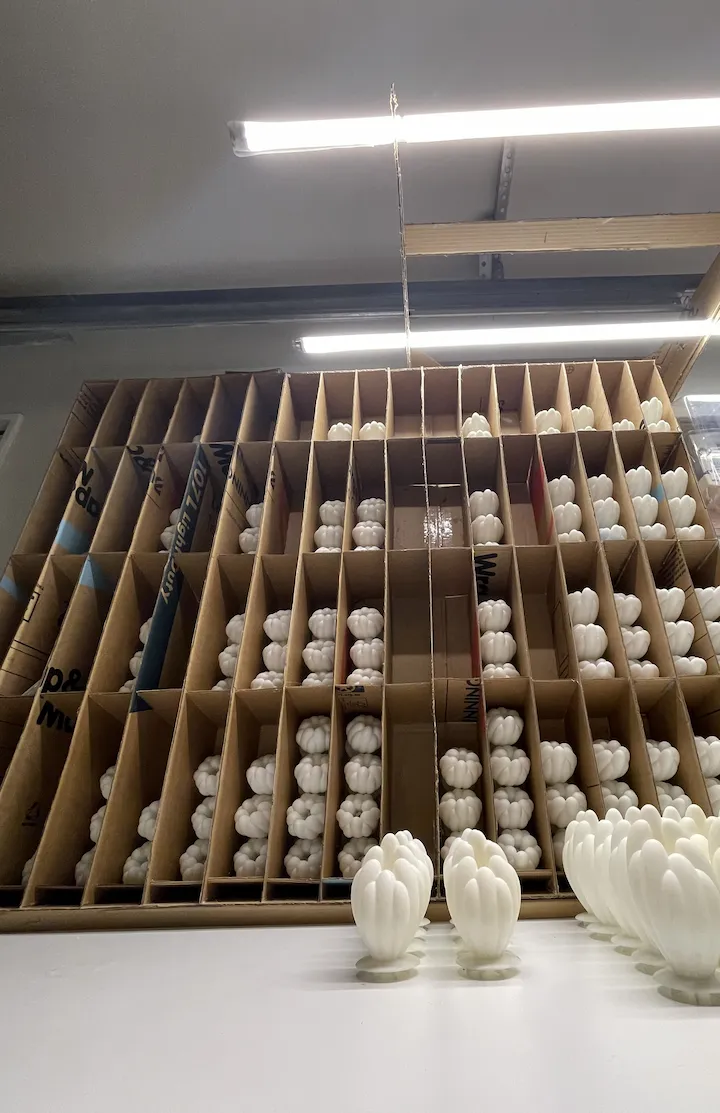
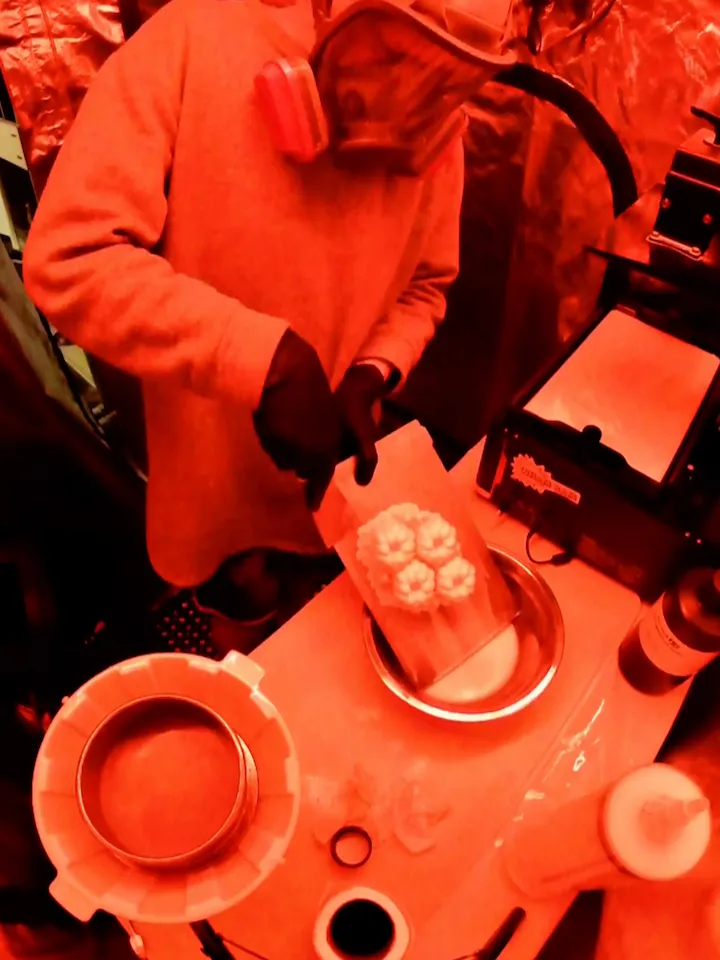
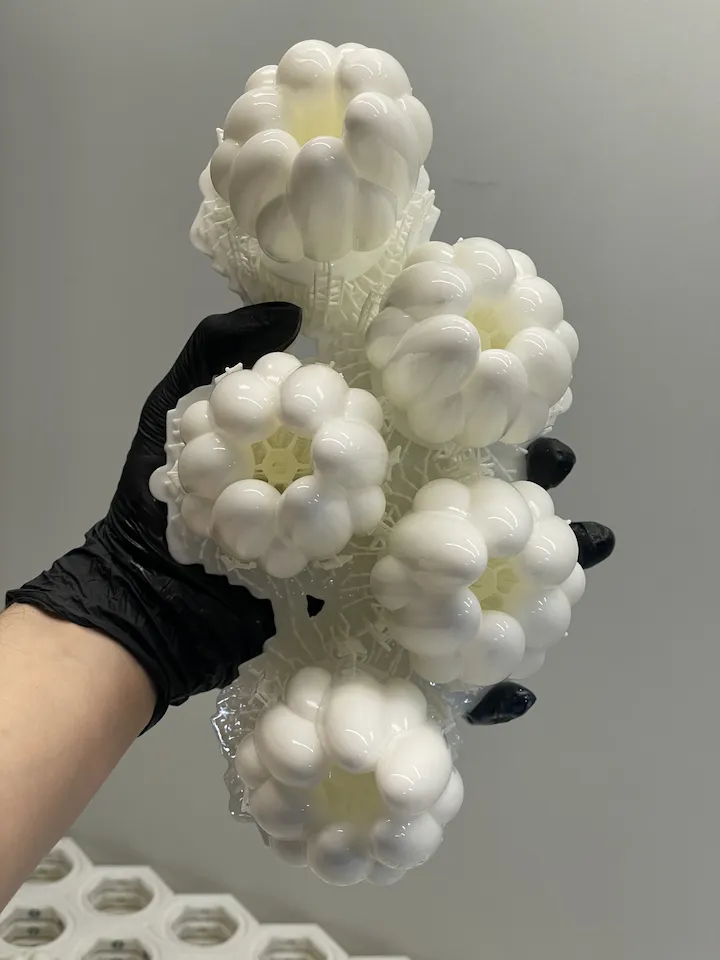
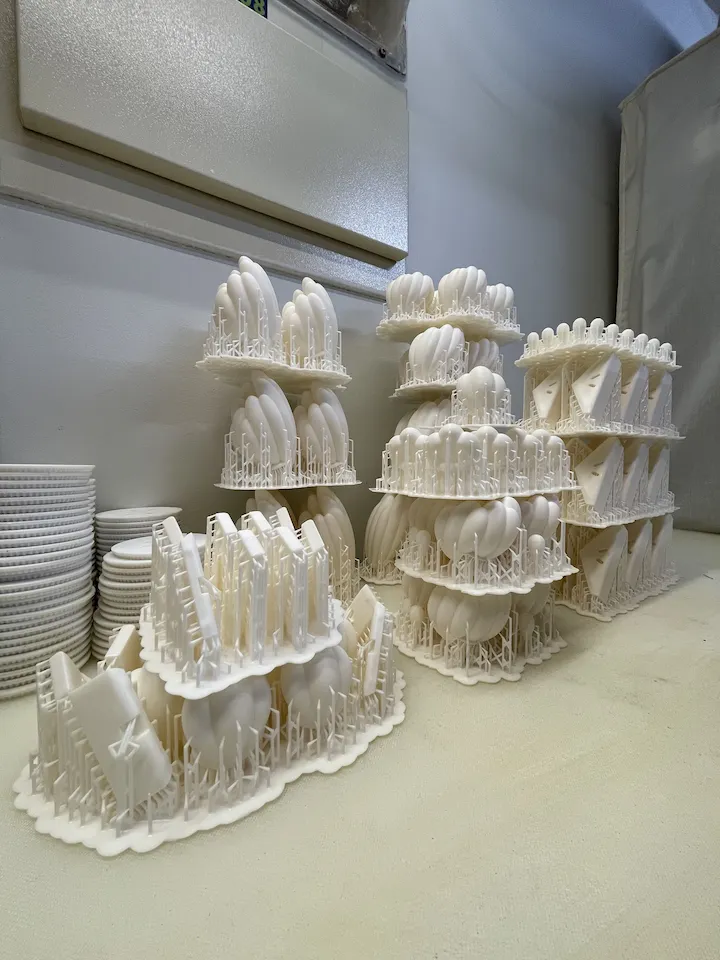
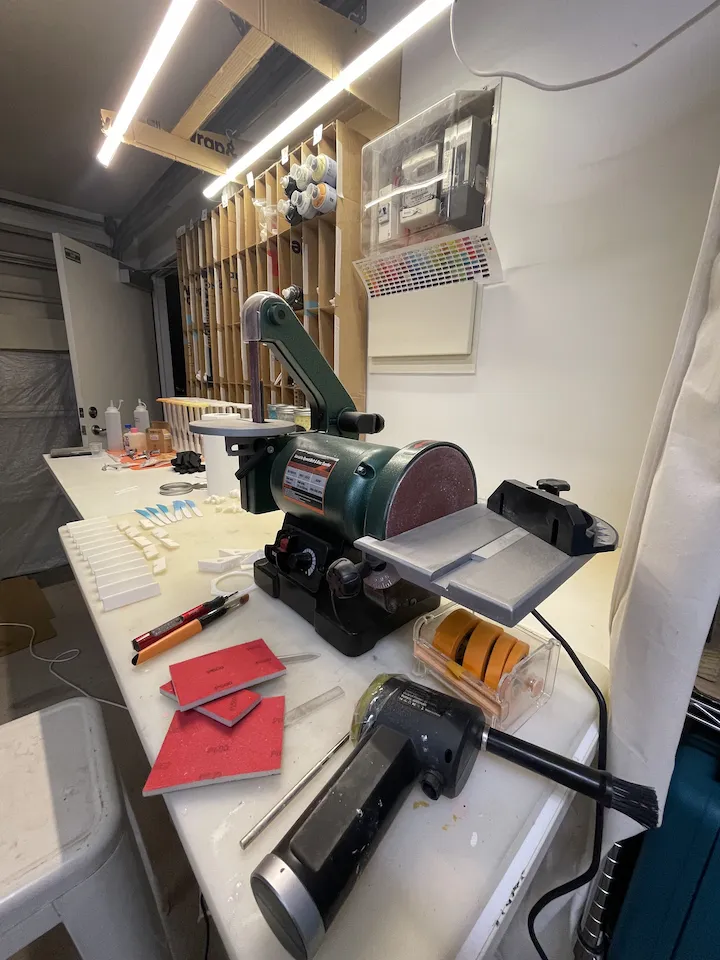
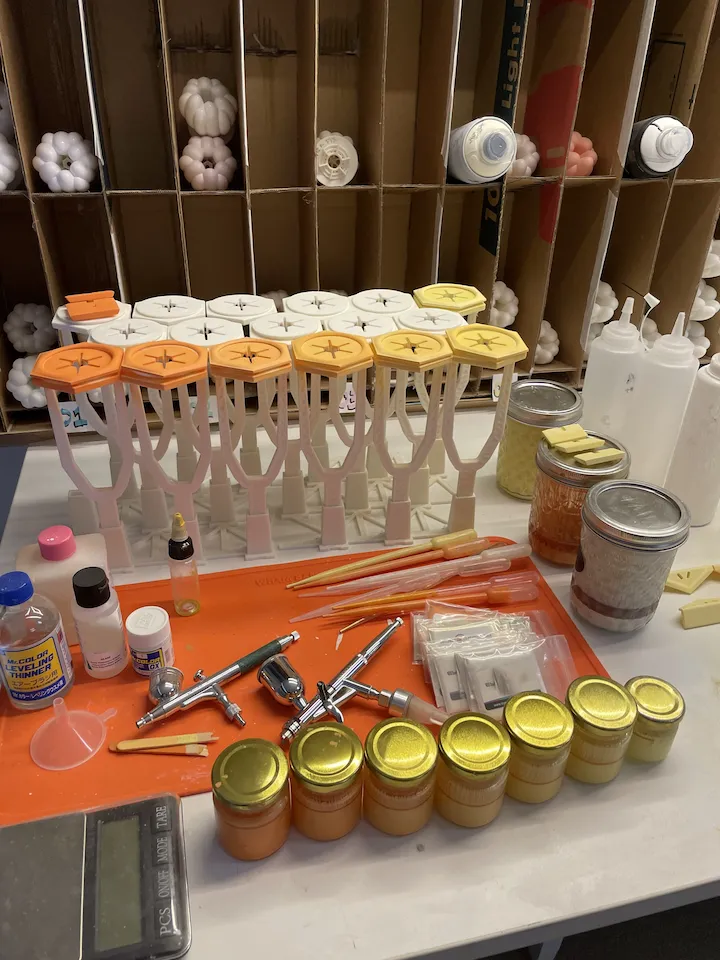
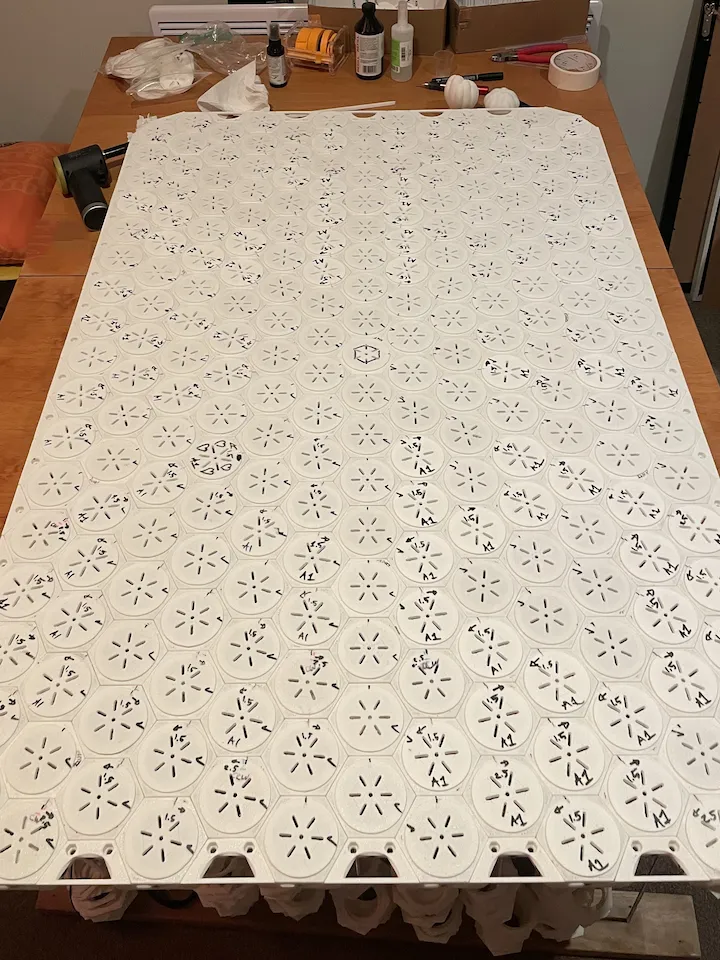
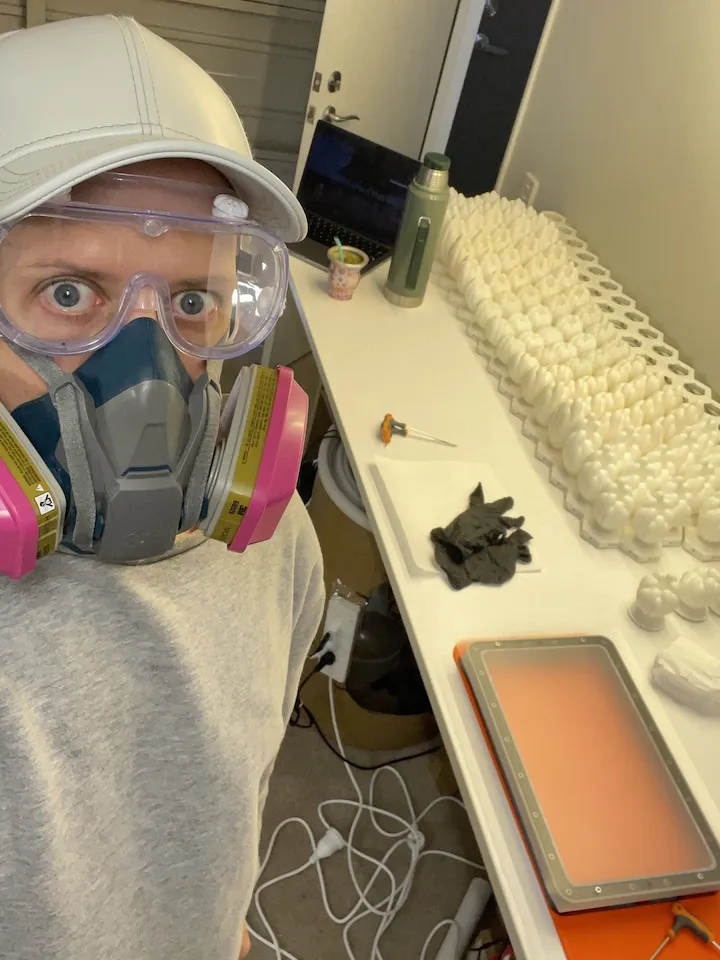
Emmanuel works from his studio in Auckland, focusing on creating his works with precision and efficiency, ensuring long-lasting stability, ease of transport, and installation.
The Works:
Inspired by nature, my pieces invite the viewer to discover the relationship between the macro and the micro, the forest and the tree, both in their overall forms and in the details of their finishes. The variability inherent in the harmony of the tessellation invites the viewer to move within the space, discovering the infinite forms revealed from multiple angles and distances, generating constantly evolving, synesthetic visual experiences. Like a stroll through a botanical garden, my works recreate species cherished by humankind for their popular values and meanings, opening a space for the awakening of deep memories and hidden instincts, bringing the sculpture to life through the viewer.
I develop my practice in the form of unique signed series and I accept commissions upon request.
Azahar - Citrus Sinensis
Azahar - Citrus Aurantifolia
Sakura - Hanami
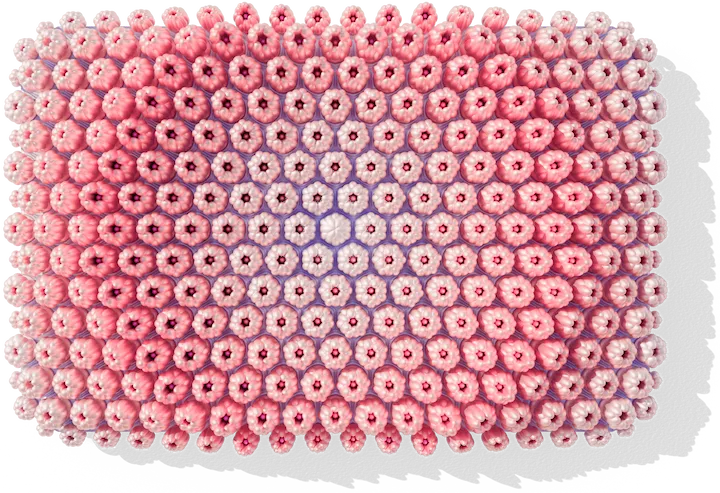
Sakura - Renai
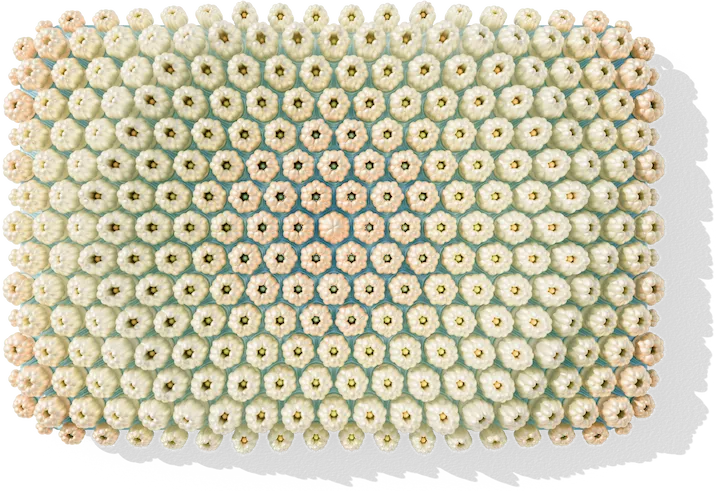
Agave - Mezcal
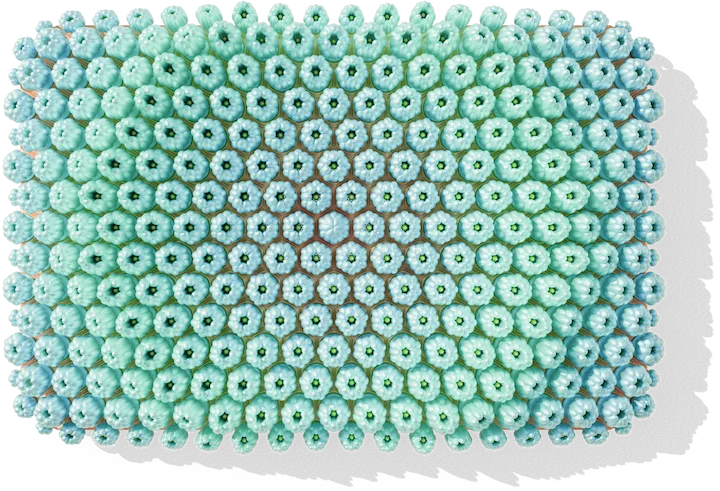
Agave - Tequila
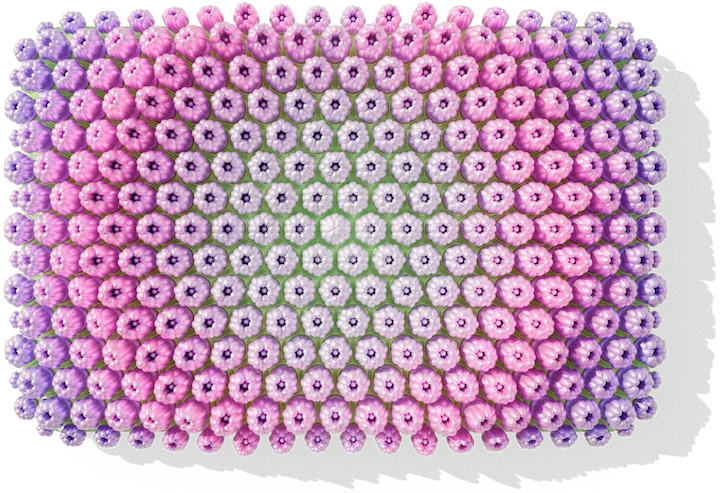
Hydrangea - Maman
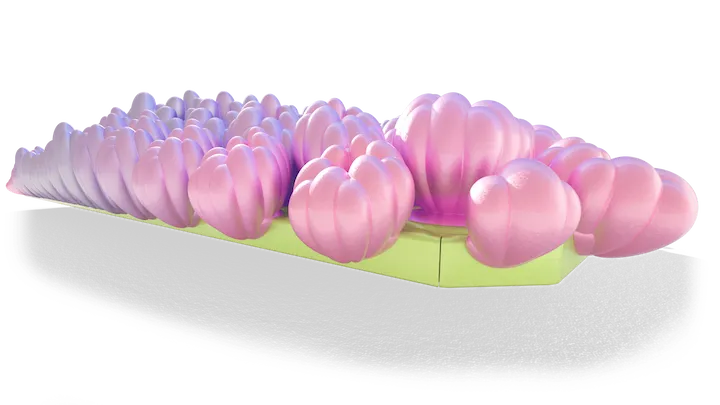
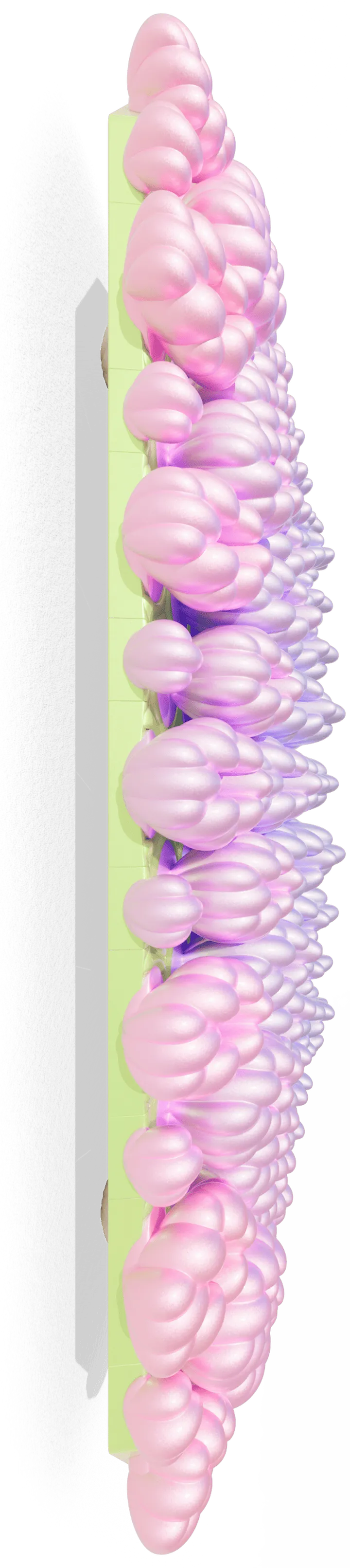
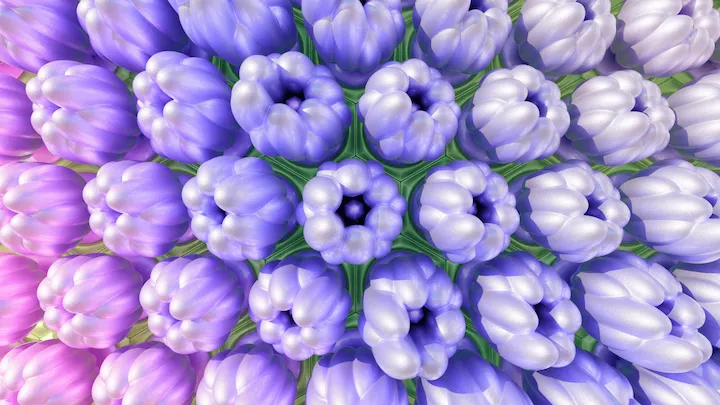
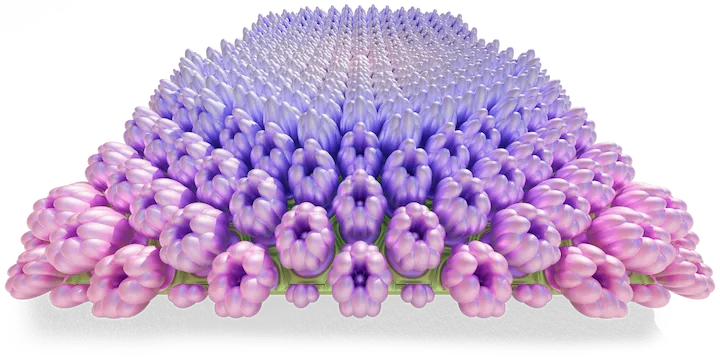
Hydrangea - Maison
Suculenta Perseverancia
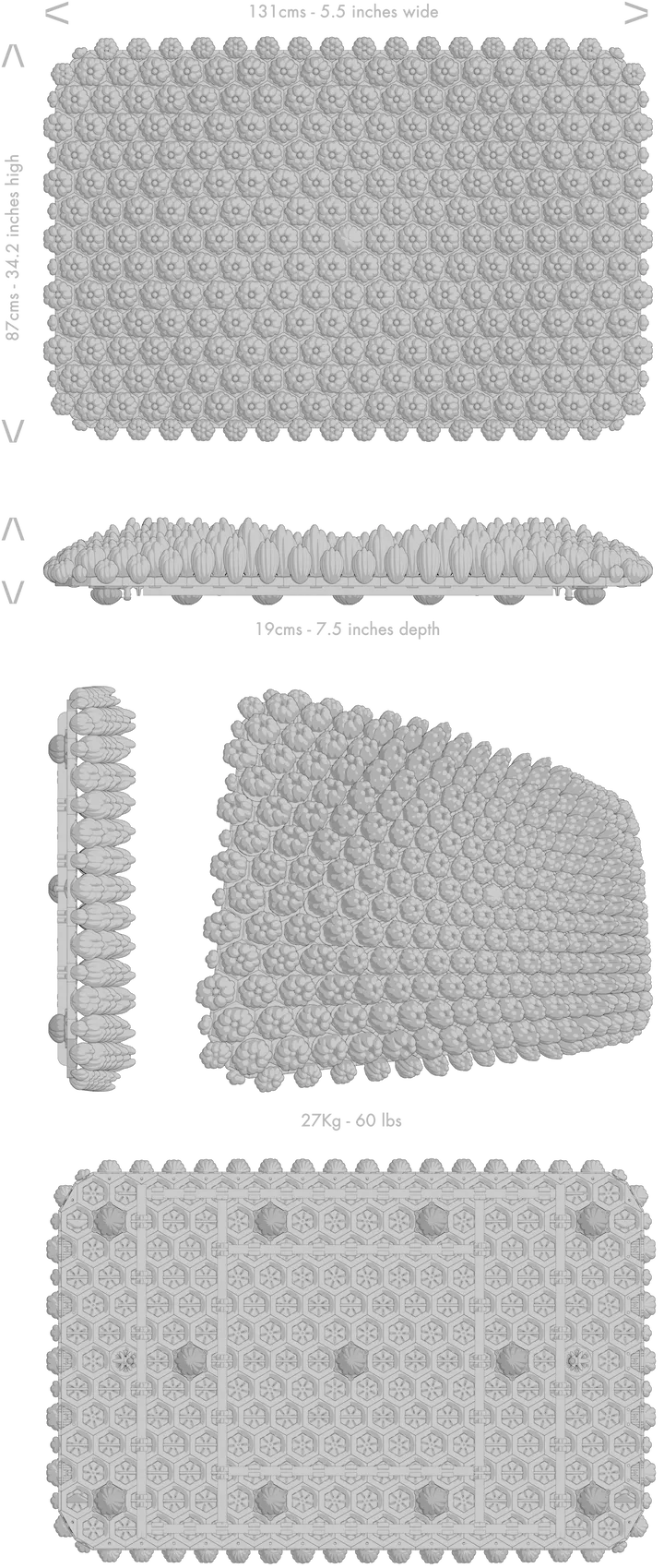
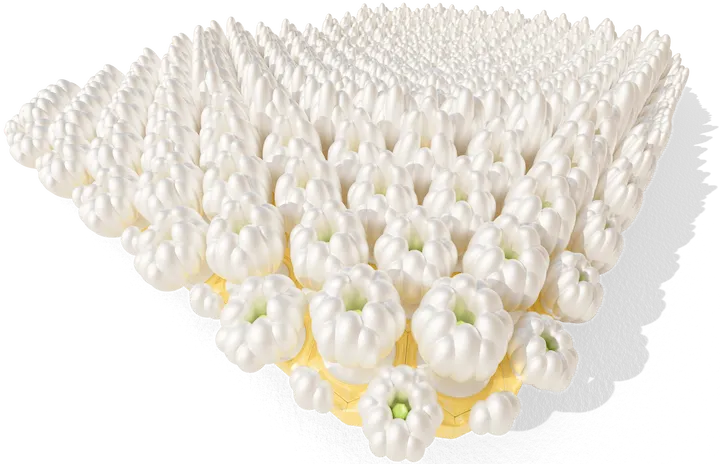
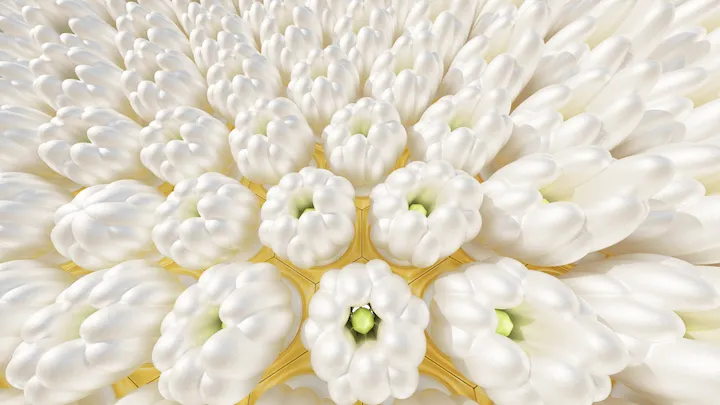
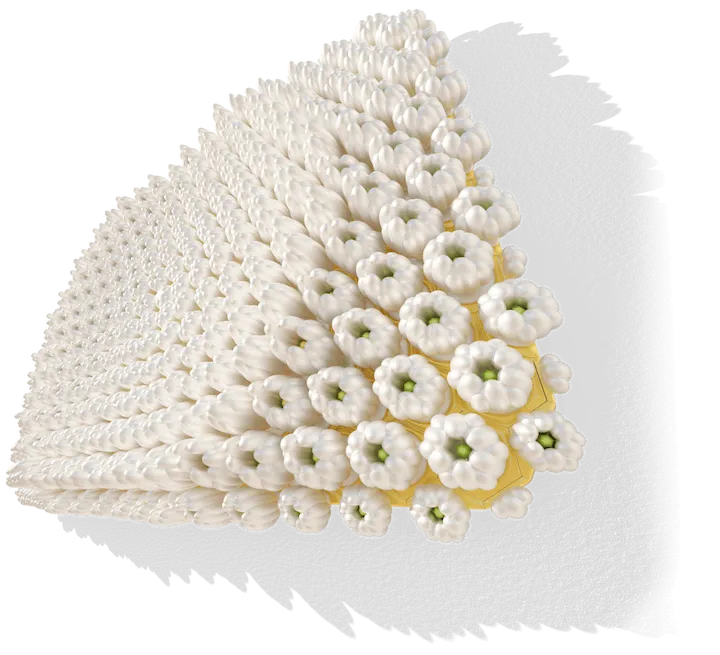
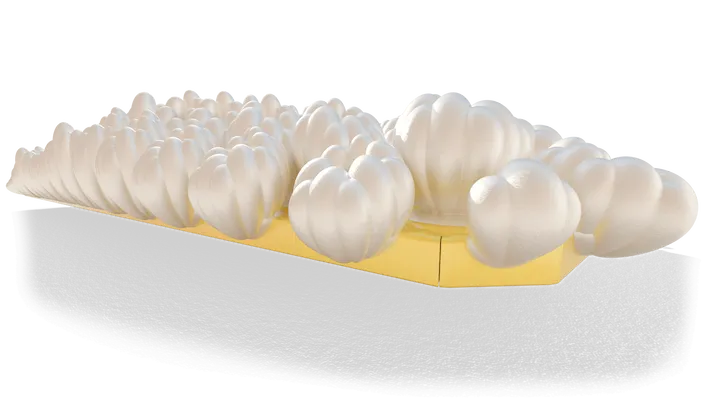
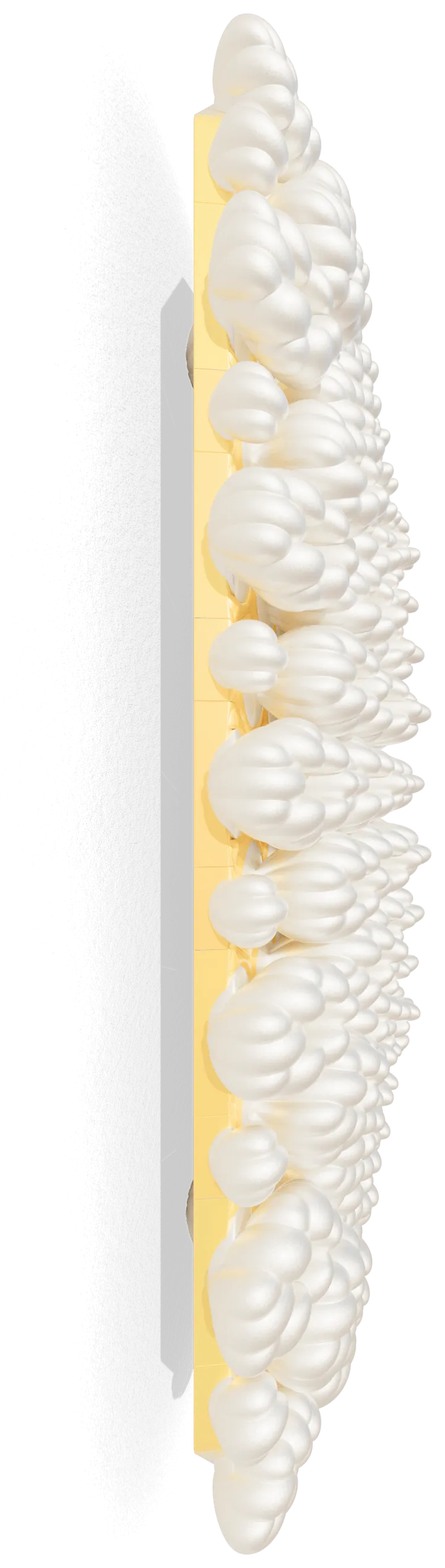
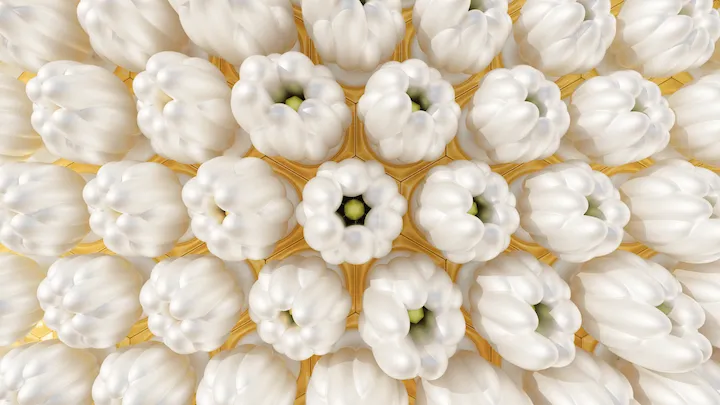
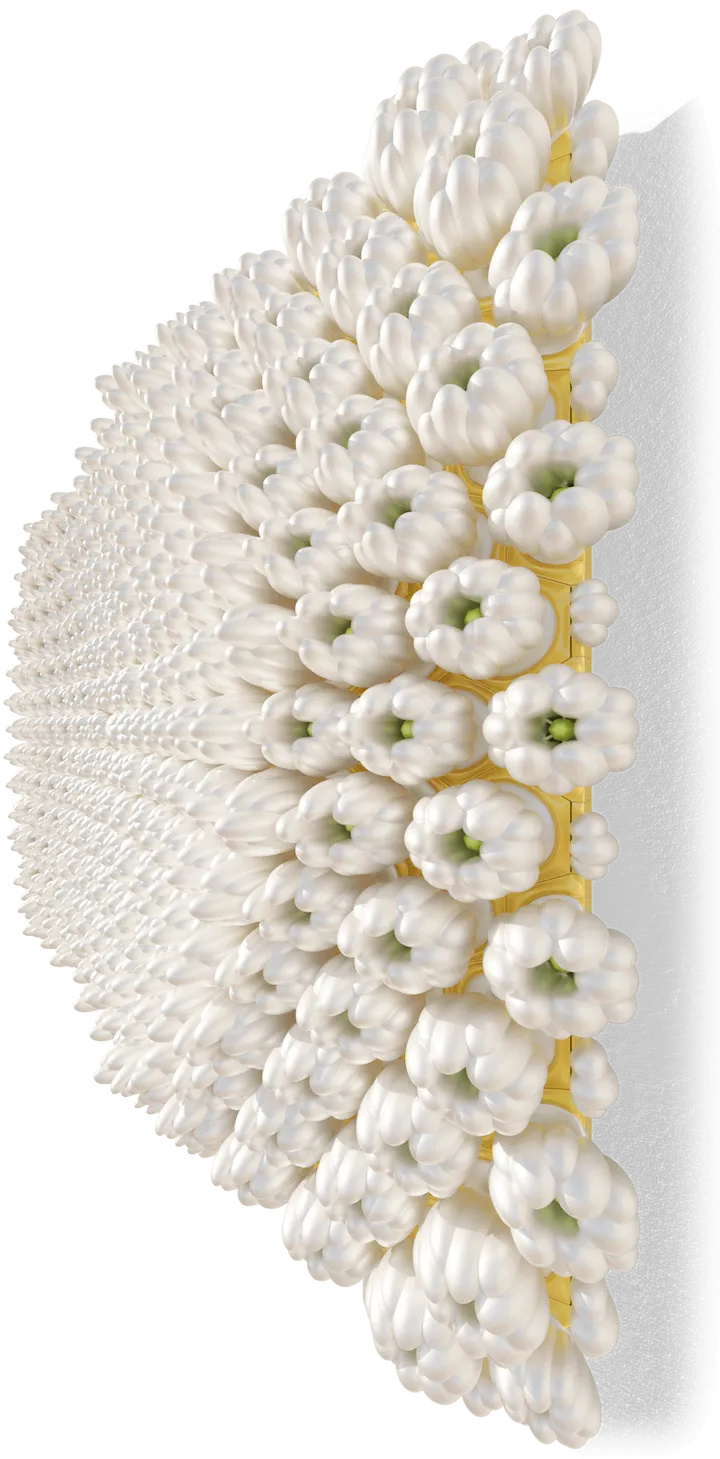
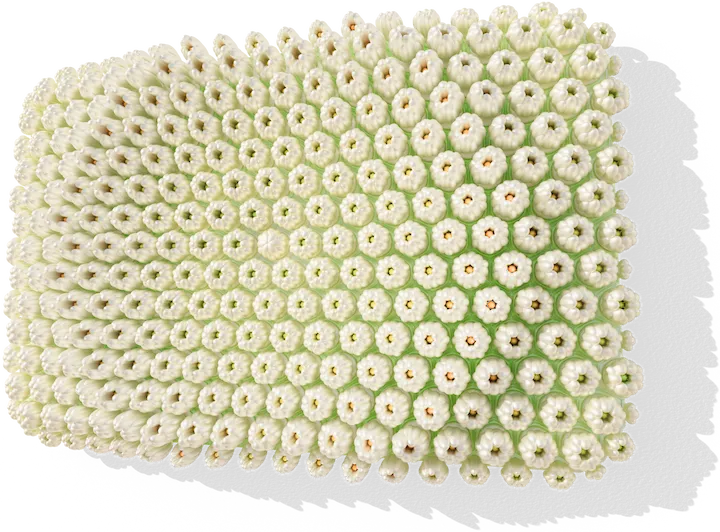
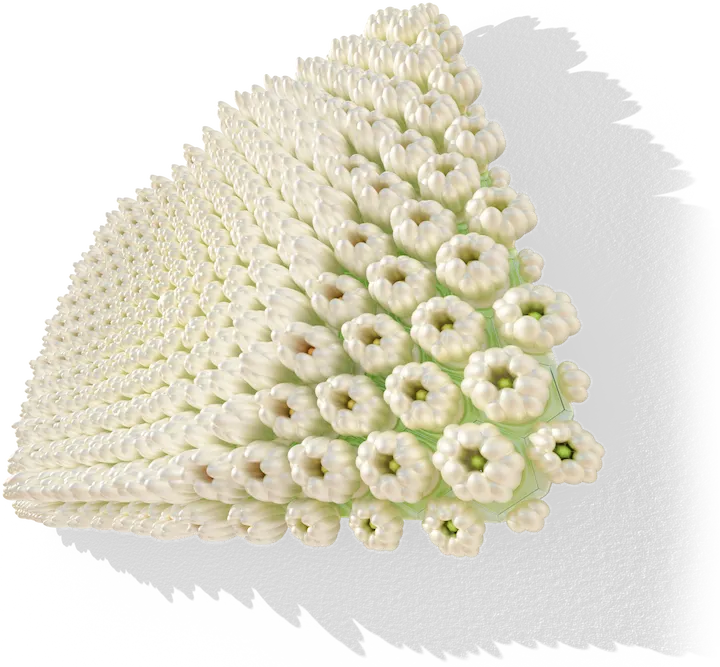
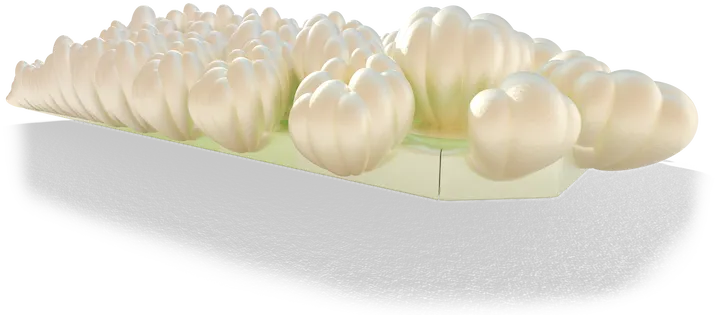
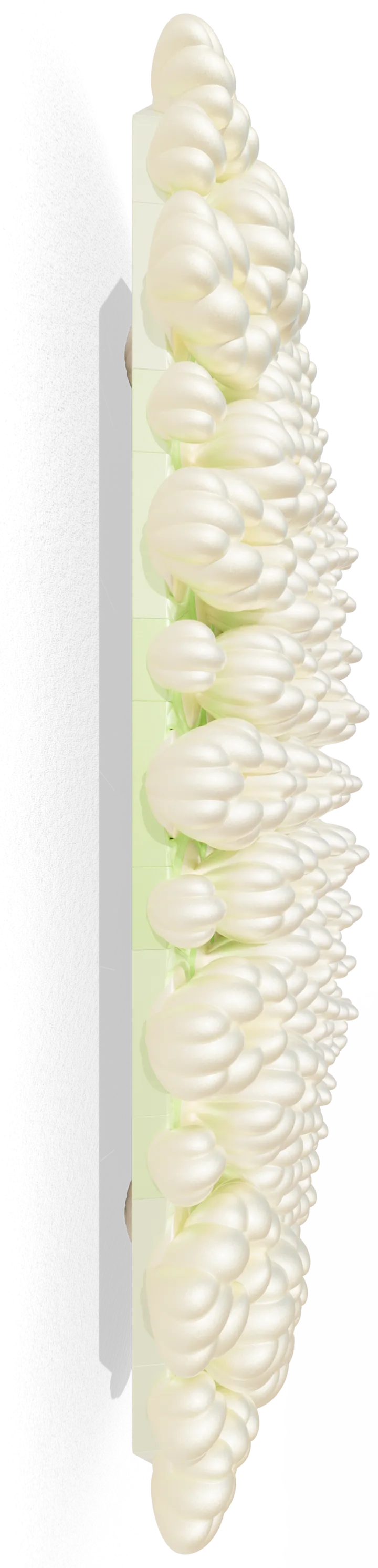
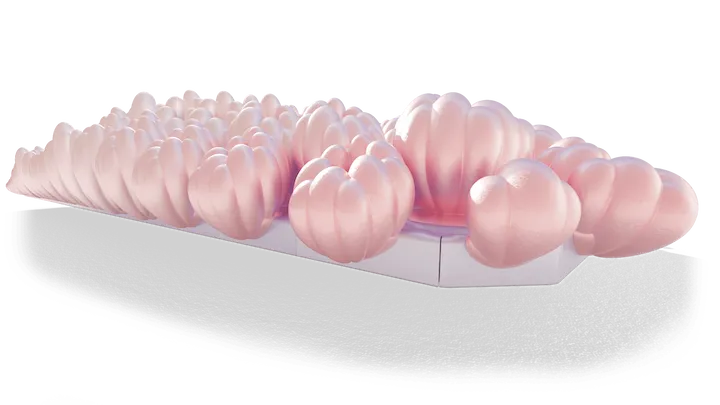
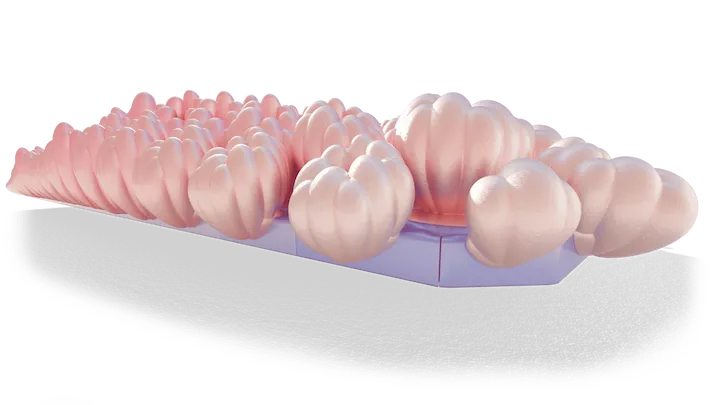
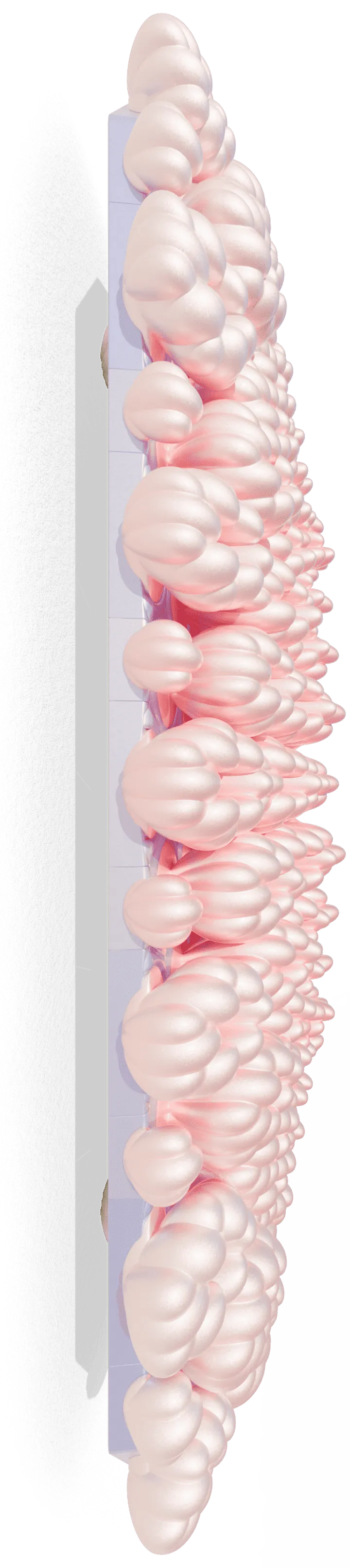
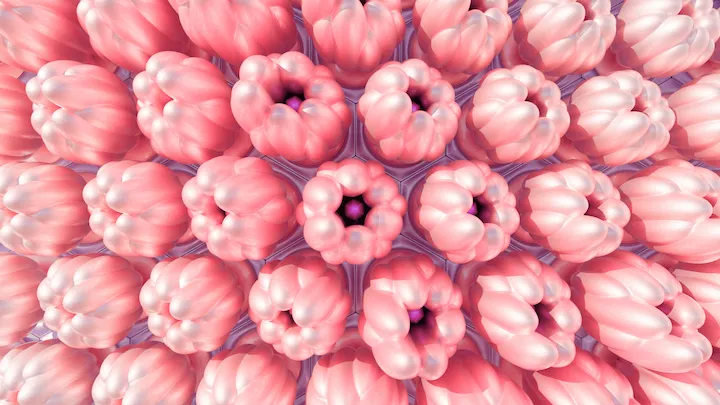
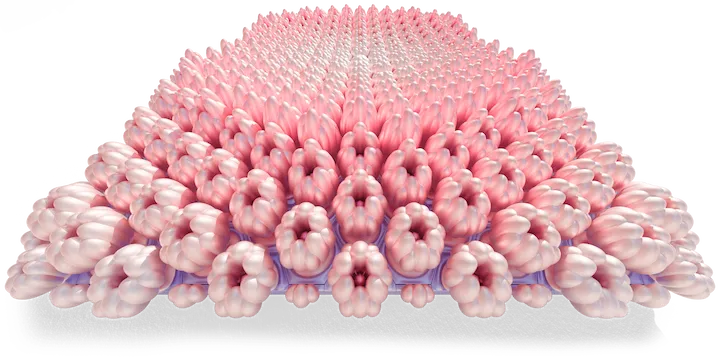
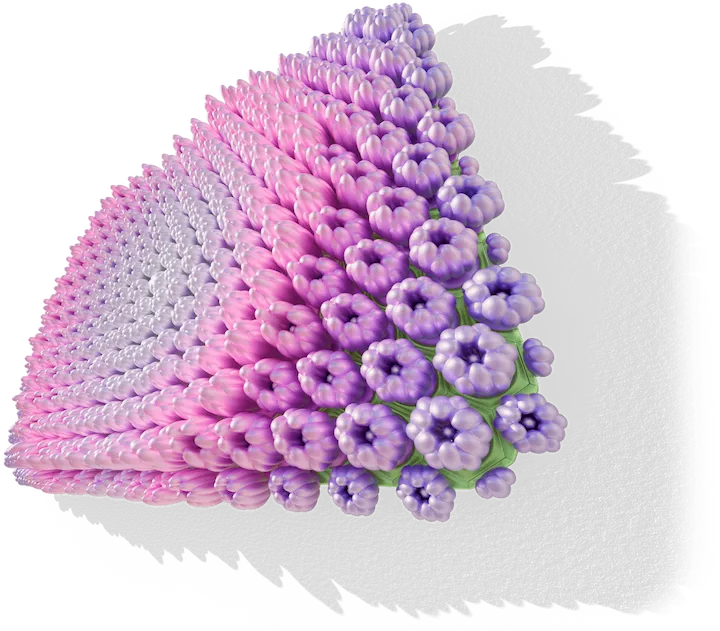
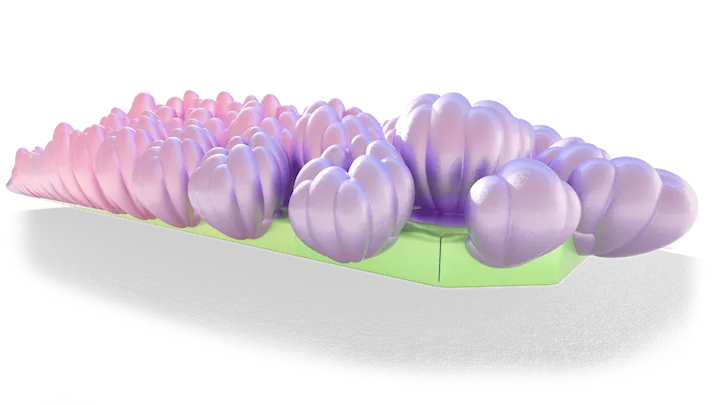
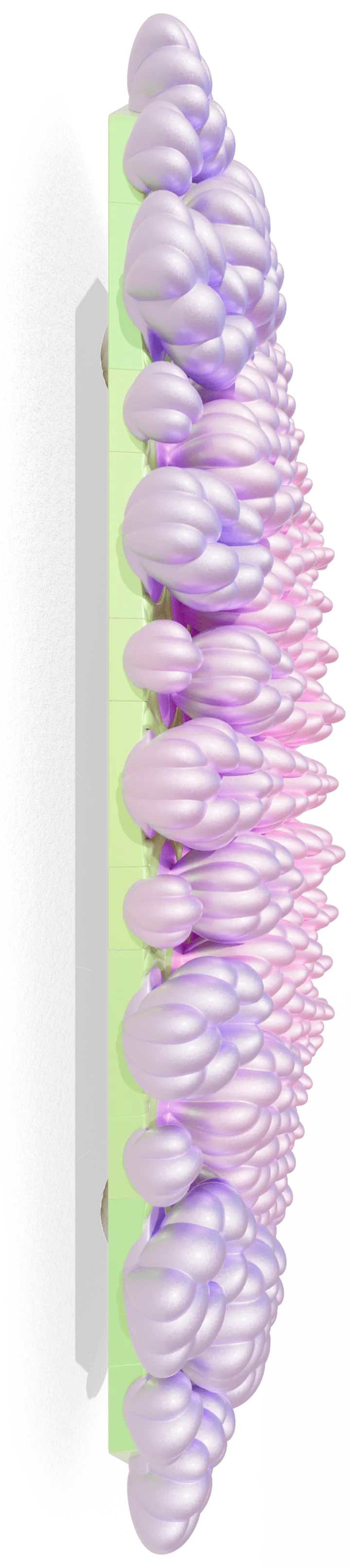
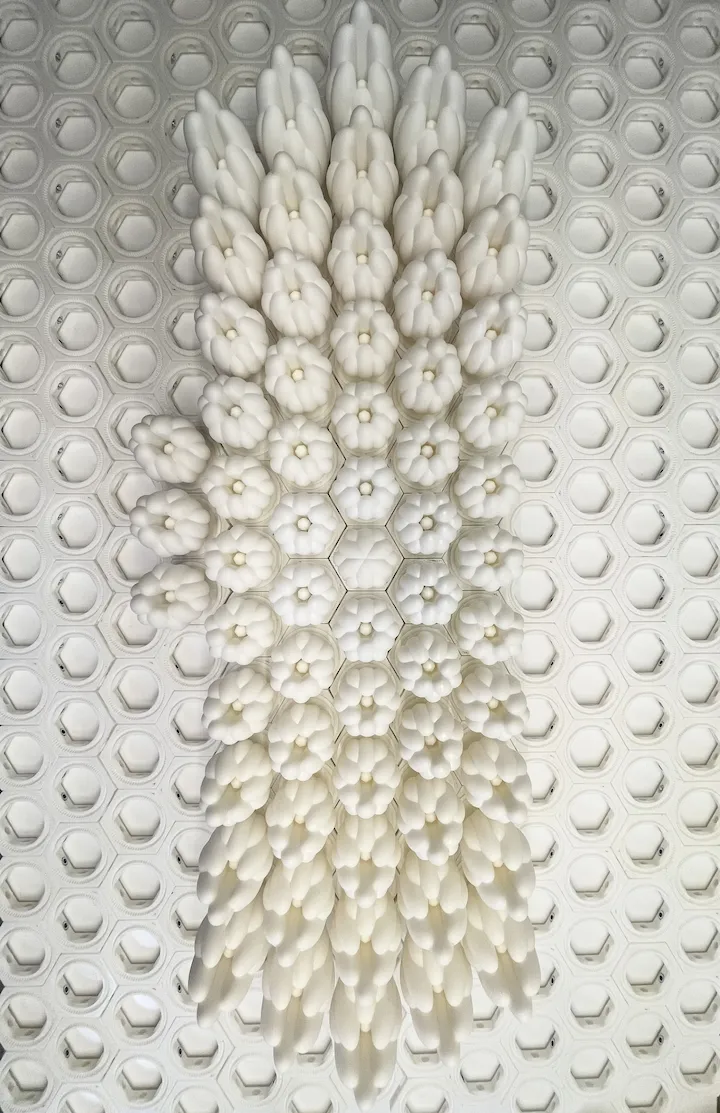
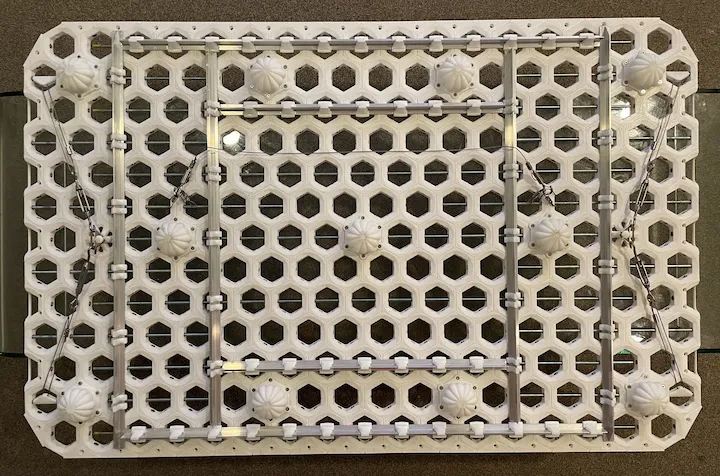
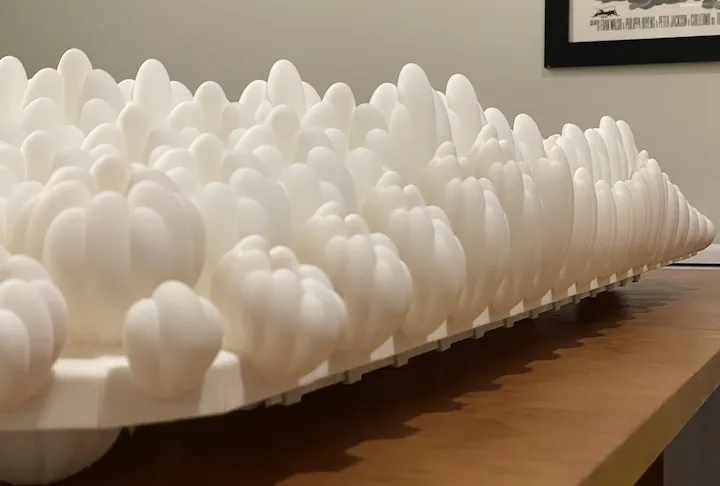
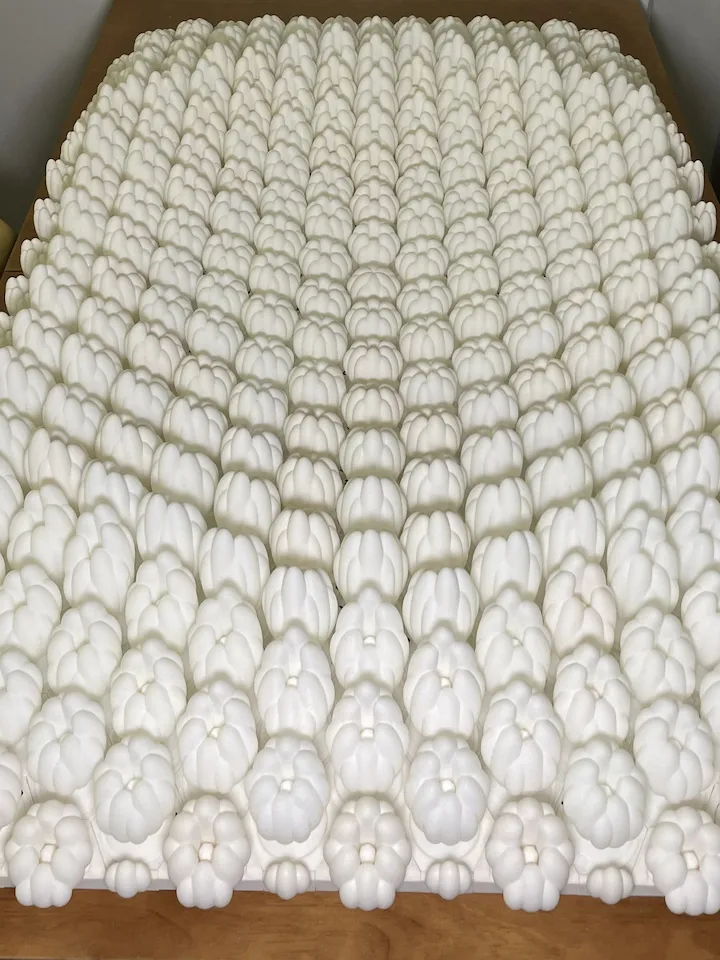
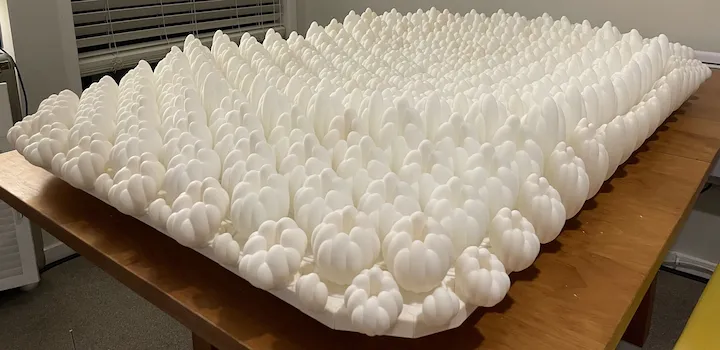
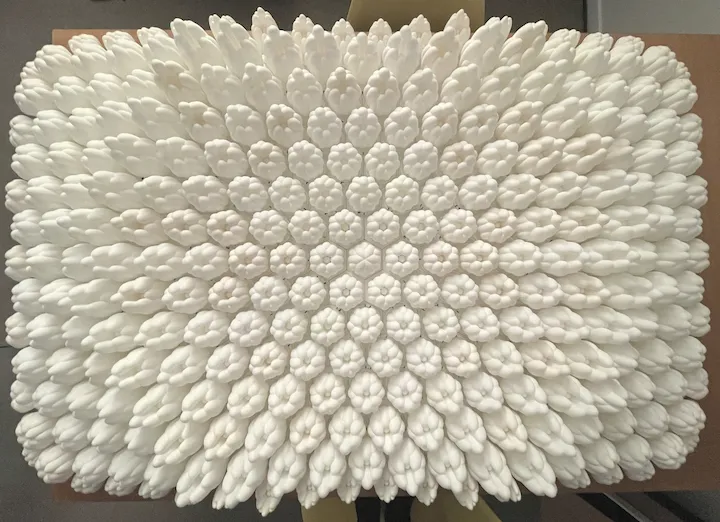
Within a floating frame measuring 131 x 87 x 19 cm, 273 figures composed of 9 unique motifs are projected frontally, based on 12 individual cylinders that grow and shrink in a hexagonal pattern, repeating a total hexagonal form that reveals a larger circular figure that grows and shrinks again. The motifs house a central floating fruit, and in turn, the entire work supports a single central motif that eludes the genesis projected to the periphery.
This mathematical harmony is inspired by succulents, a variety of plants that are not phylogenetically related to each other, but rather independently developed similar traits in their process of convergent evolution based on natural orders. Their adaptation to all continents results in an infinite array of colors and gradients; just like the artwork, they require abundant light to flourish and are characterized by their resilience and evolutionary perseverance, revealing constant repetition among numerical sets of 3, 6, and 9.
273 figures / 9 motifs = 30.333,333,333...
The sculpture was developed from the search for the initial numerical order to finding the final form, both numerical and natural, arriving at a whole that imitates the evolutionary order of succulents and other species.
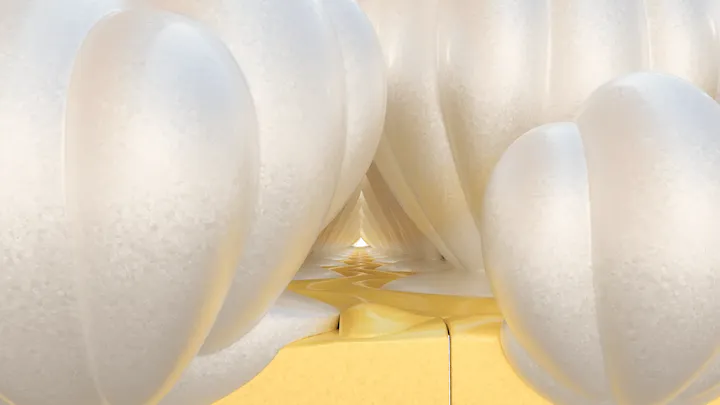
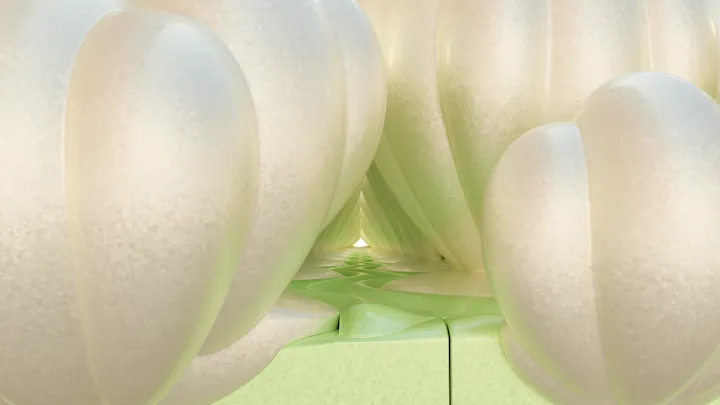
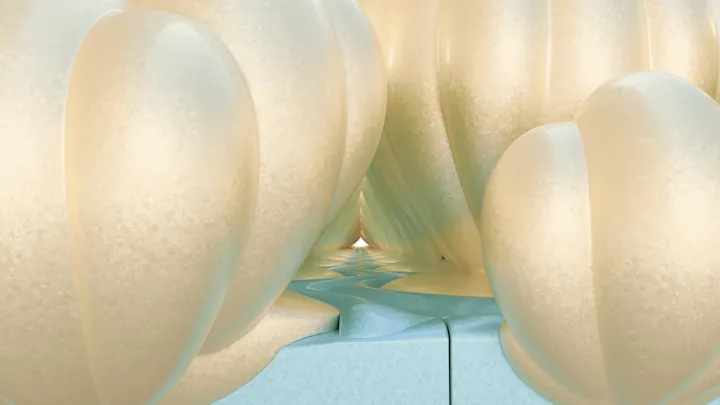
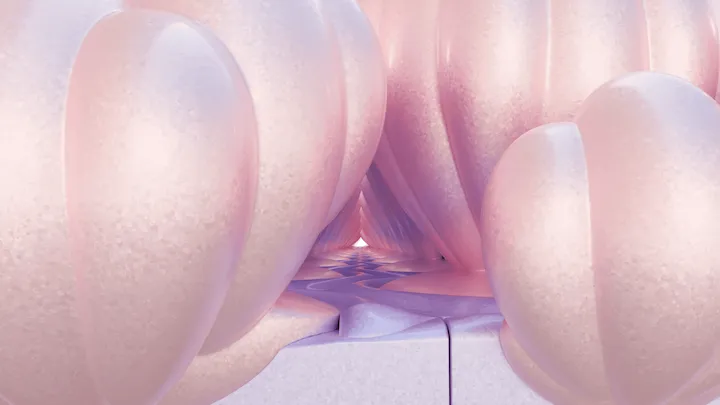
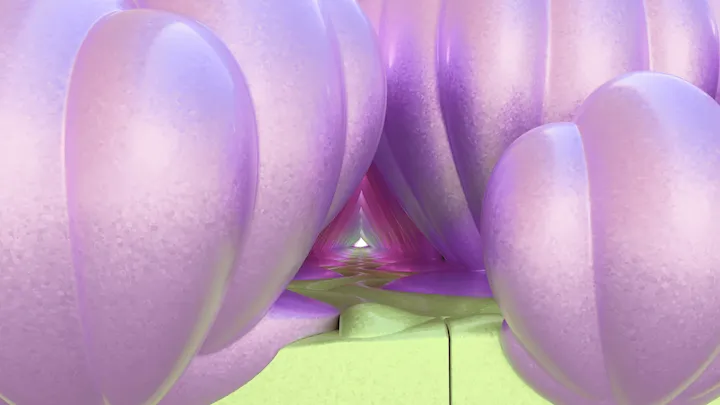
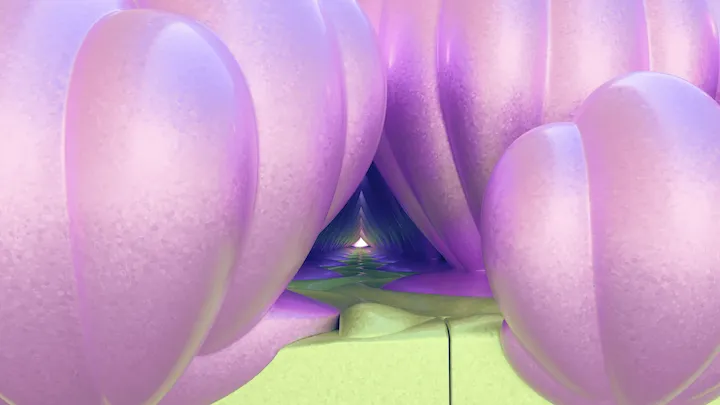
The high-gloss finish activates a high reflectivity of its colors, producing a caustic light effect with soft gradients on both the concave and convex surfaces.
"As above, so below," originally "Quod est superius est sicut quod inferius." - Hermetic aphorism on the Emerald Tablet of Hermes Trismegistus.
Dimensions:
Azahar
Of Arabic origin, 'az-zahr' also translates as "white flower" or "luck," and is the vernacular name for citrus blossoms, particularly those of orange, lemon, and citron trees. Its presence extends across Asia, Africa, Europe, and the Americas, carrying a deep ethnobotanical and folkloric significance, symbolizing purity, abundance, eternal love, prosperity, fertility, and spiritual clarity. It is frequently worn as a floral crown for brides during their weddings. Used daily in medicinal applications as a calming agent and in cooking as a flavoring and aromatizer, orange blossoms adorn streets throughout towns and villages worldwide, symbolizing domestic love and community vitality.
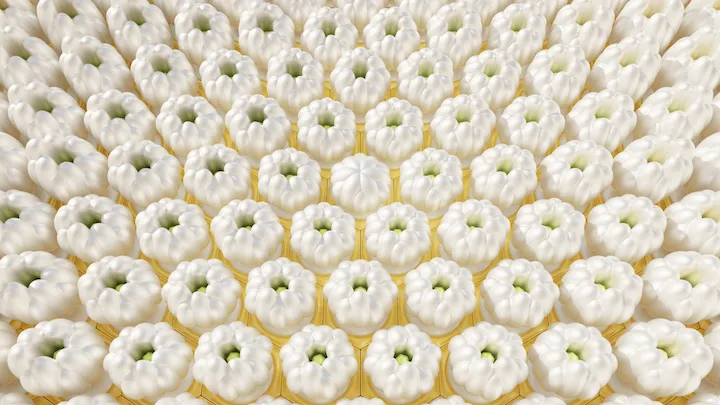
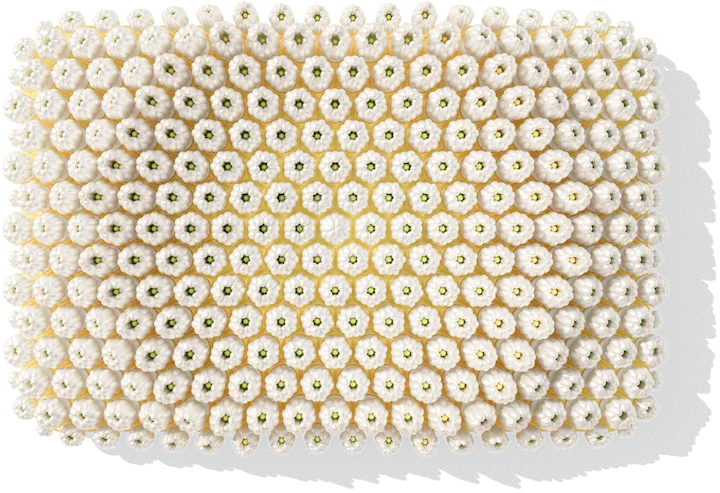
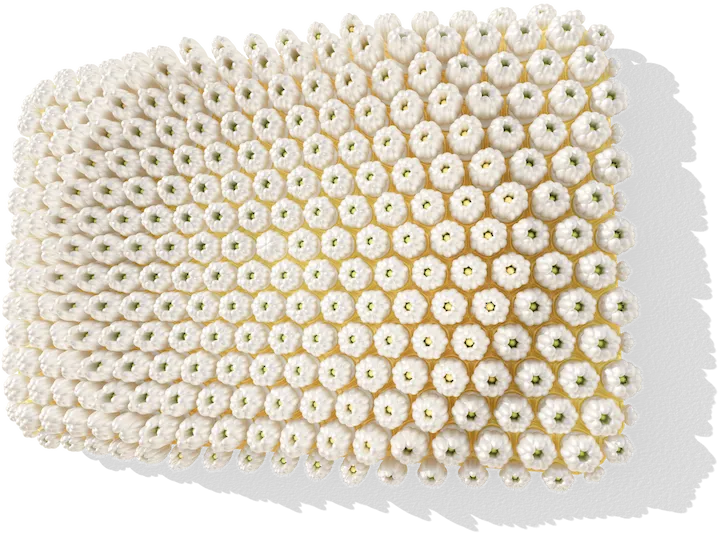
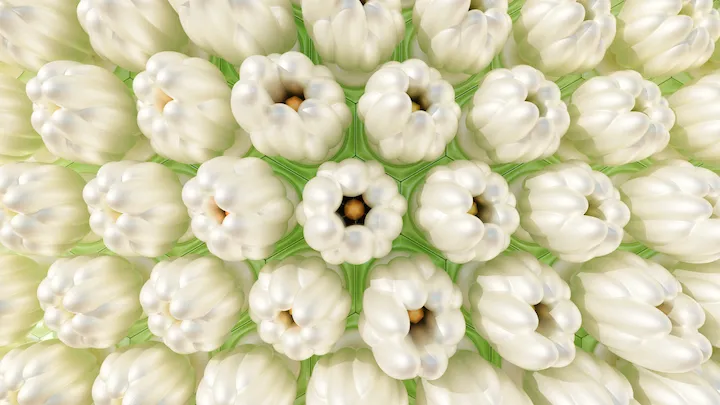
This series inspired by the Citrus sinensis, a cross between the Grapefruit and the Mandarin, popularly known as the Orange tree, it evokes, with its pastel yellow-orange background gradients in combination with luminous whites in the volume and with vivid green to light yellow details, a warm but refreshing environment, renewing abundance and harmonious prosperity.
Of Arabic origin, 'az-zahr' also translates as "white flower" or "luck," and is the vernacular name for citrus blossoms, particularly those of orange, lemon, and citron trees. Its presence extends across Asia, Africa, Europe, and the Americas, carrying a deep ethnobotanical and folkloric significance, symbolizing purity, abundance, eternal love, prosperity, fertility, and spiritual clarity. It is frequently worn as a floral crown for brides during their weddings. Used daily in medicinal applications as a calming agent and in cooking as a flavoring and aromatizer, orange blossoms adorn streets throughout towns and villages worldwide, symbolizing domestic love and community vitality.
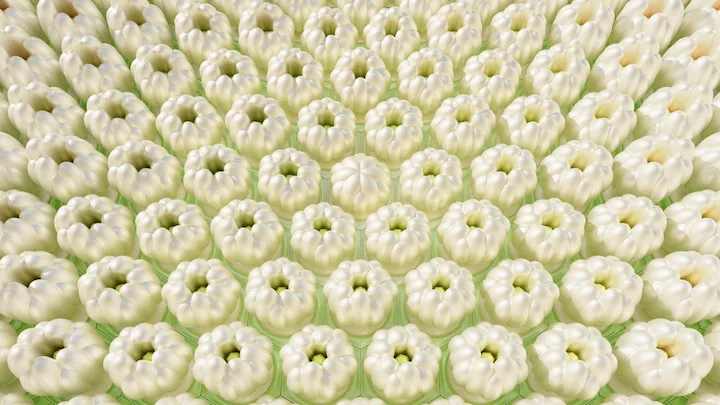
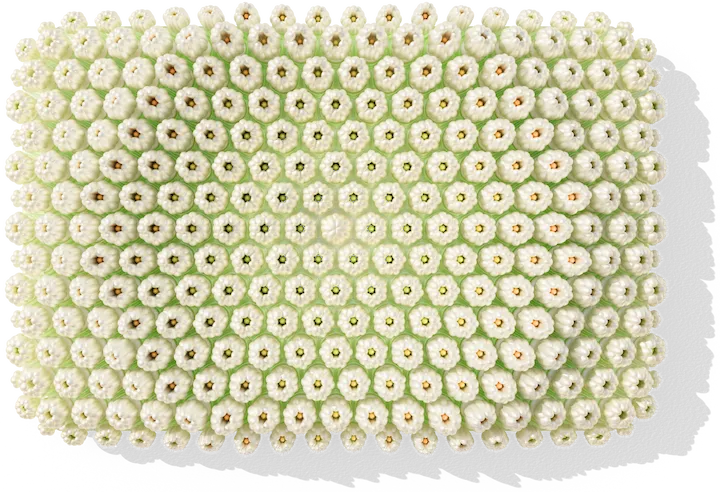
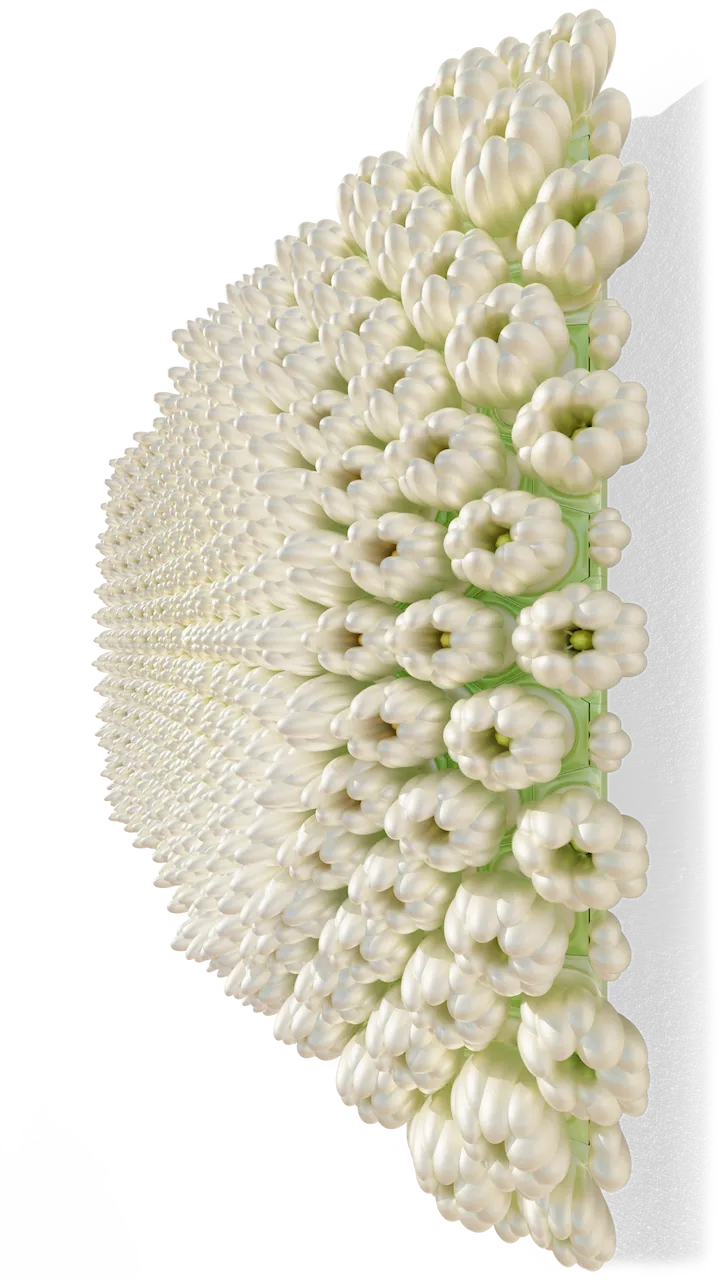
This series, inspired by the Citrus aurantifolia, a hybrid variety of lemon tree known as lime, features soft, golden-white volumes against a vibrant pastel green gradient background, with details that transition from deep greens through bright yellows to luminous oranges. The overall effect is a delicate balance between freshness and vigor, illuminating the space with a rejuvenating and refreshing light.
Agave
These plants, endemic to the arid areas of the Americas, are known for their slow growth and resilience to the toughest weathers. Valued for their ornamental appearance and geometric patterns, many of them are cultivated for their sap, sugars, fibers, and edible flowers, which often happen only once in their lifetime at the top of very long masts that display the most intricate patterns and colors. These characteristics are represented across centuries in pottery, textiles and ancient history, becoming an essential symbol of multiple cultures.
The agaves often symbolize longevity, rebirth, transformation, and divine connection.
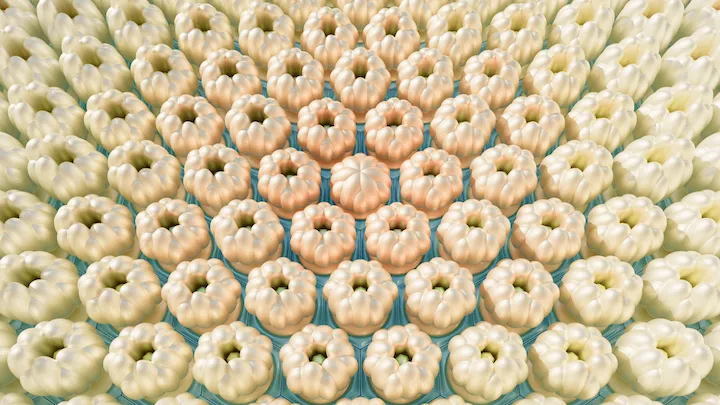
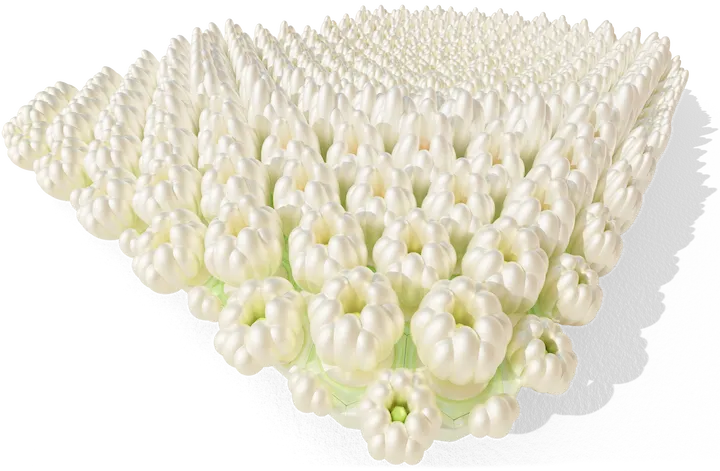
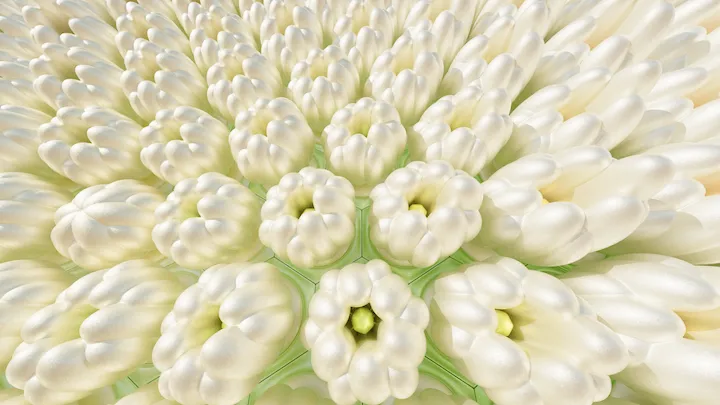
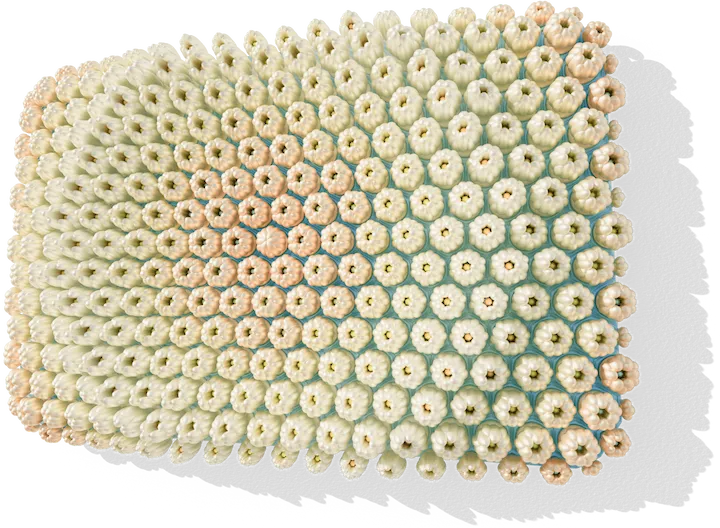
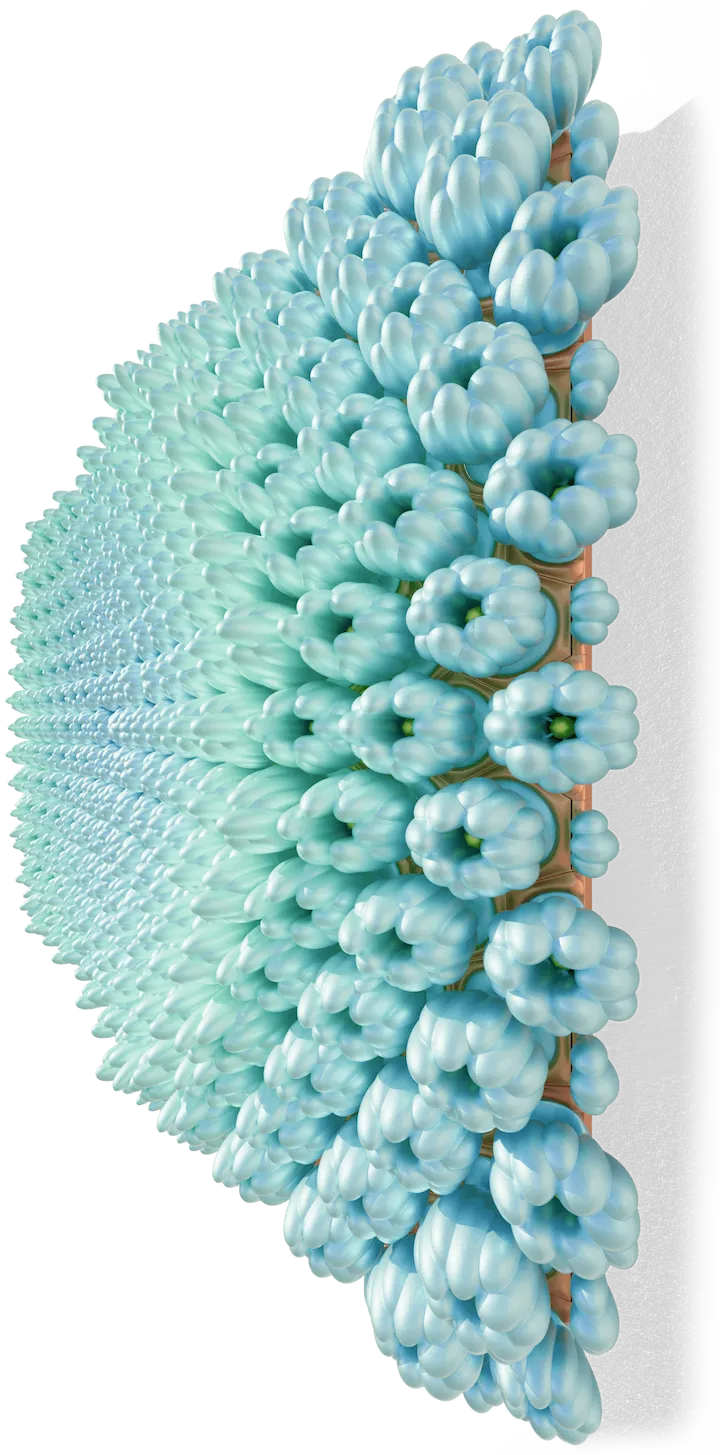
This series, inspired in the Mezcal, an alcholic distillate derivated from the baked core of the Magueys -a wide variety of agaves high in sugars-, present a soft white surface tonned from rose to pale yellows, over a backround of intense teal blue-greens, with accents that travel from fresh greens to bright yellows and oranges. The caustic reflectivity of the yellow-rose motifs play with the blues of the background to generate a gammut of greens and oranges that appear to the eye.
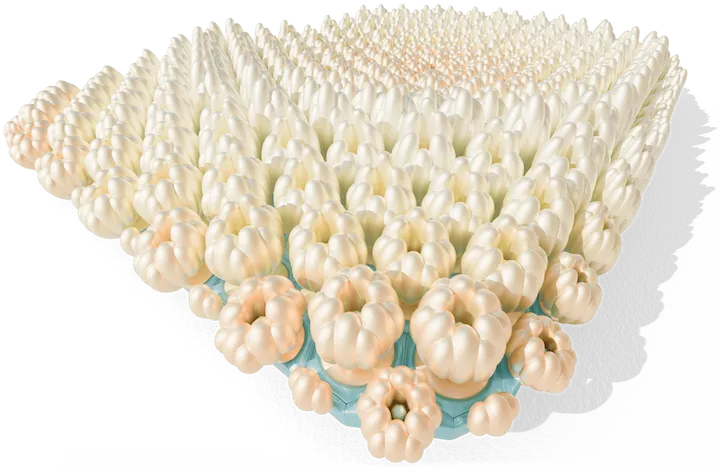
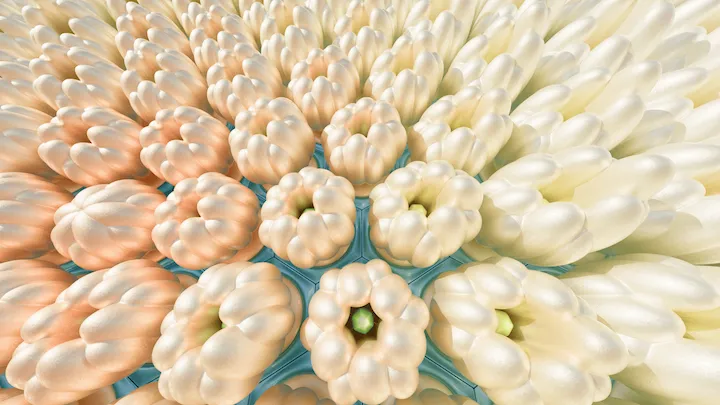
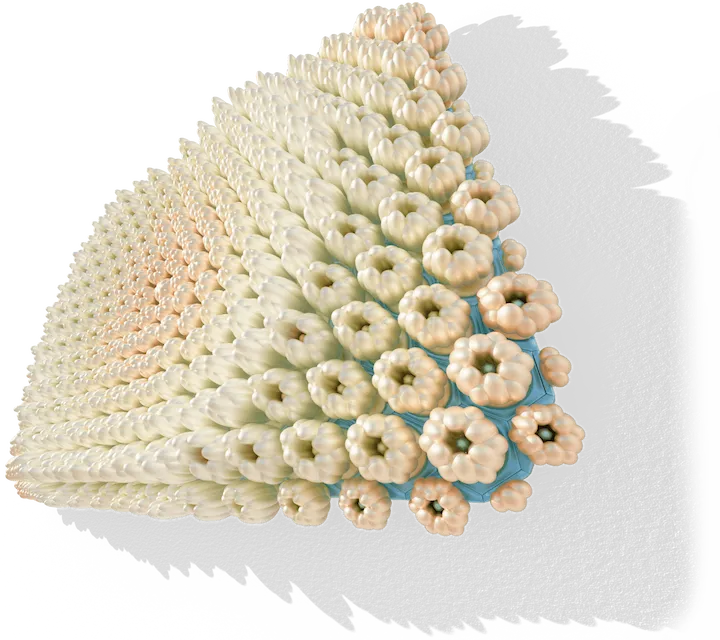
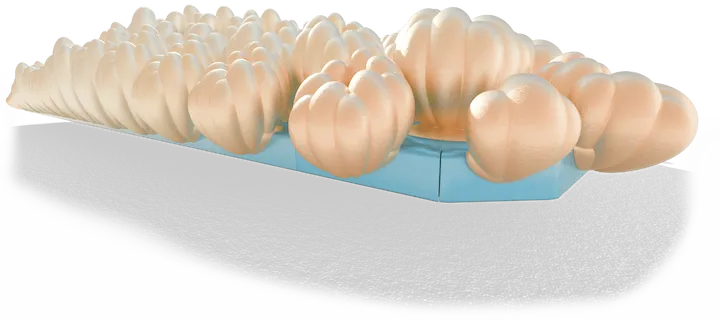
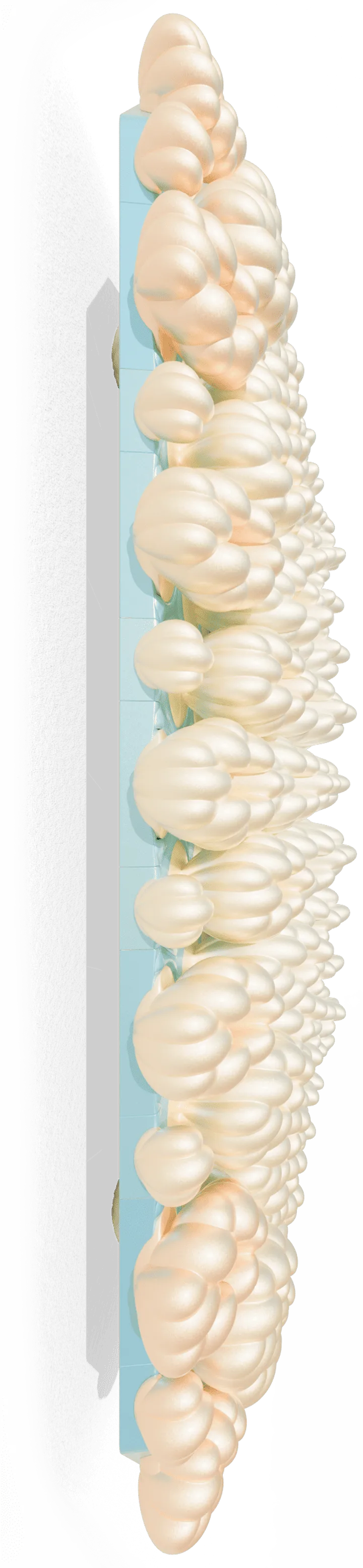
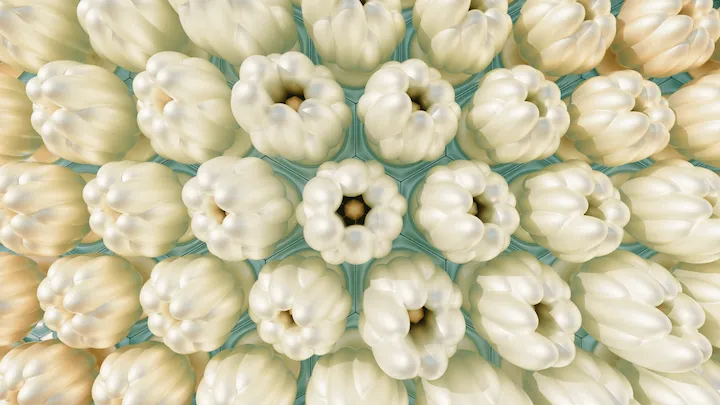
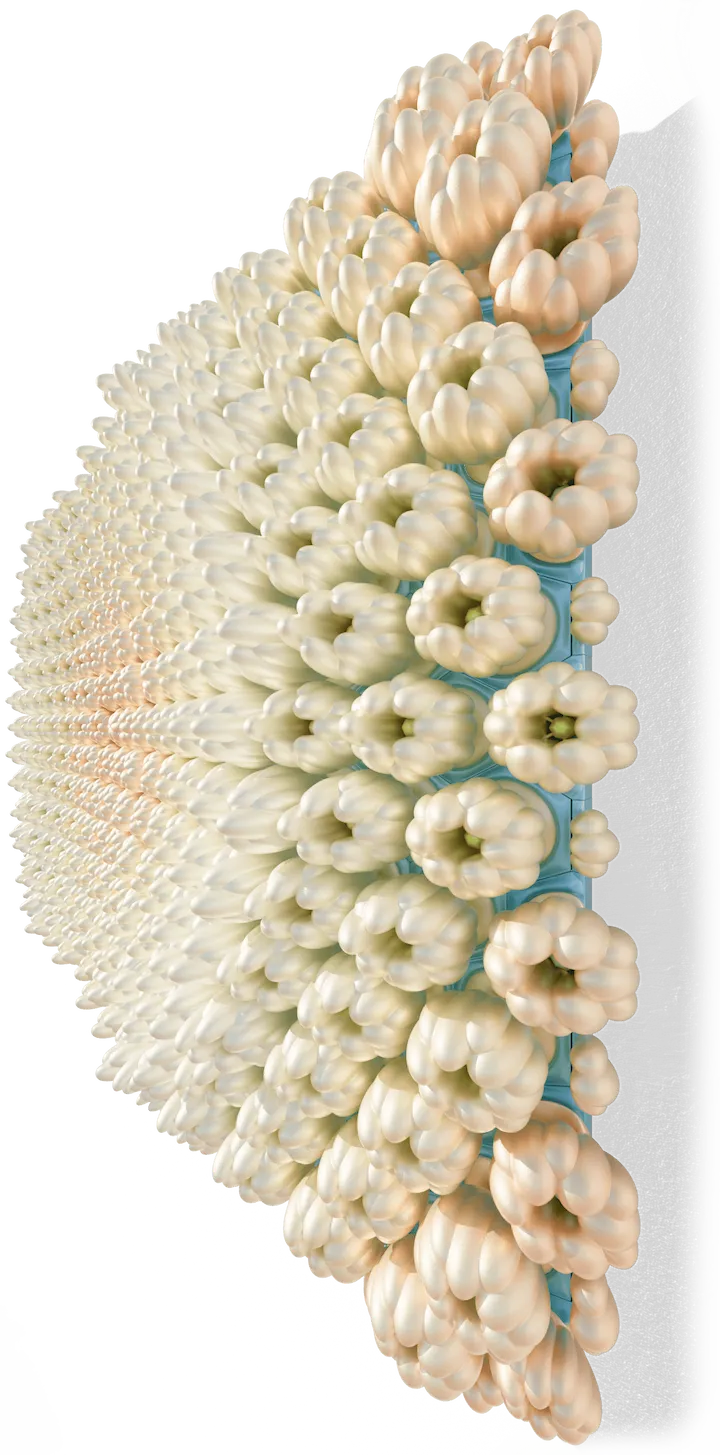
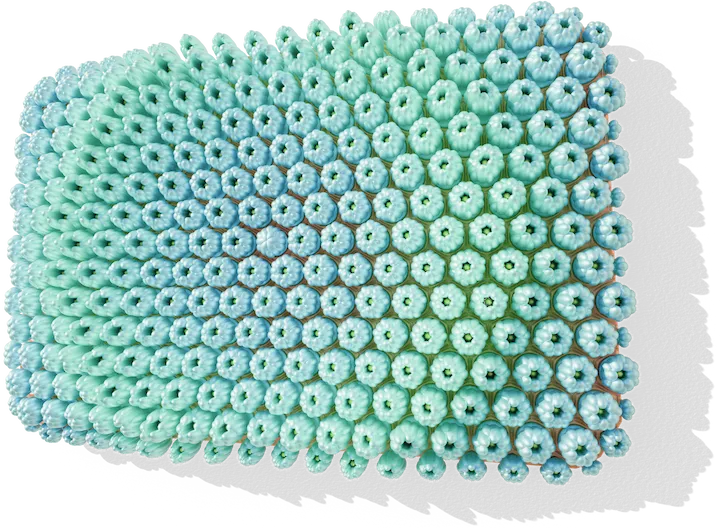
These plants, endemic to the arid areas of the Americas, are known for their slow growth and resilience to the toughest weathers. Valued for their ornamental appearance and geometric patterns, many of them are cultivated for their sap, sugars, fibers, and edible flowers, which often happen only once in their lifetime at the top of very long masts that display the most intricate patterns and colors. These characteristics are represented across centuries in pottery, textiles and ancient history, becoming an essential symbol of multiple cultures.
The agaves often symbolize longevity, rebirth, transformation, and divine connection.
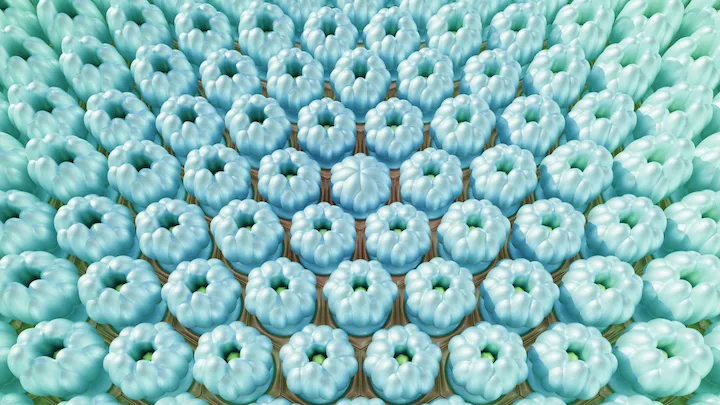
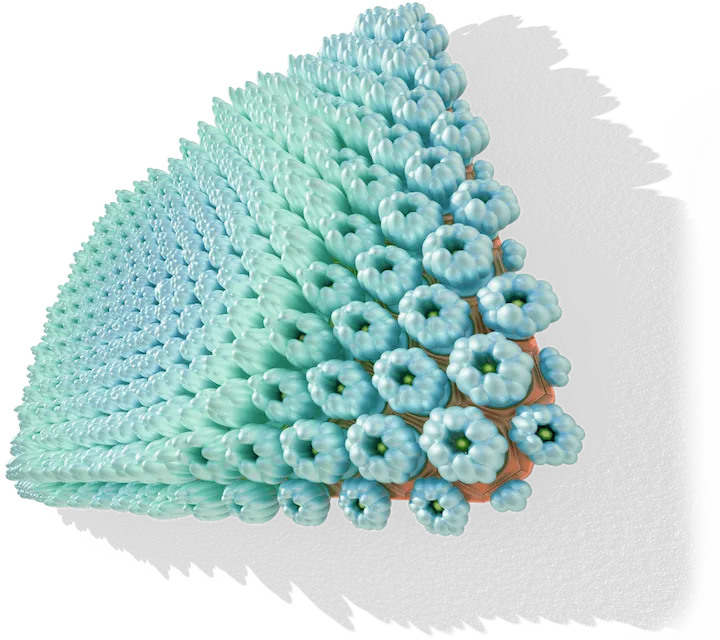
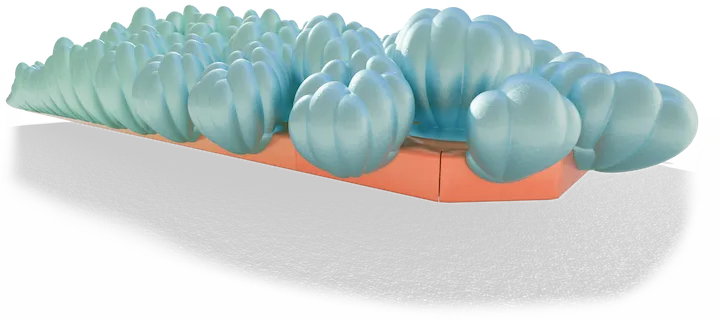
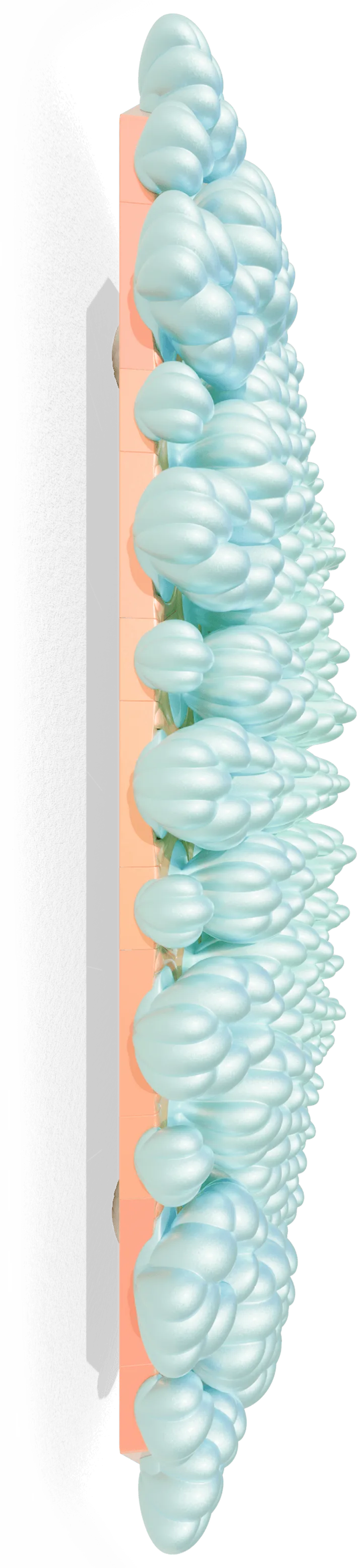
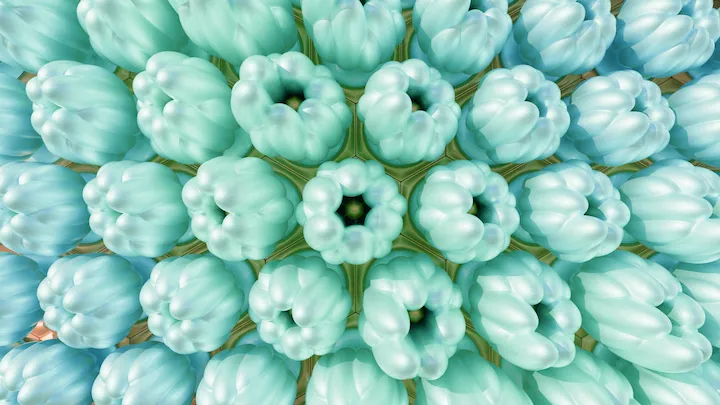
Tequila is an alcoholic distillate made exclusively from the baked cores of the blue agave, a plant of grey-blue-teal colors and long, spiky leaves that proliferates on iron-rich red soils. The vast plantations over Jalisco, Mexico, make for the landscapes of intense color contrasts that hypnotize the viewer with the geometric shapes of the plants over rows that end on the horizon.
In this series the motifs present a gradient that travels from intense metallic teal to blue-greens, over a background of orange-browns that fade onto pale goldenrod. The caustic reflectivity between both surfaces creates a strong contrast at the center and a soft blend of yellows and greens in the periphery.

Sakura
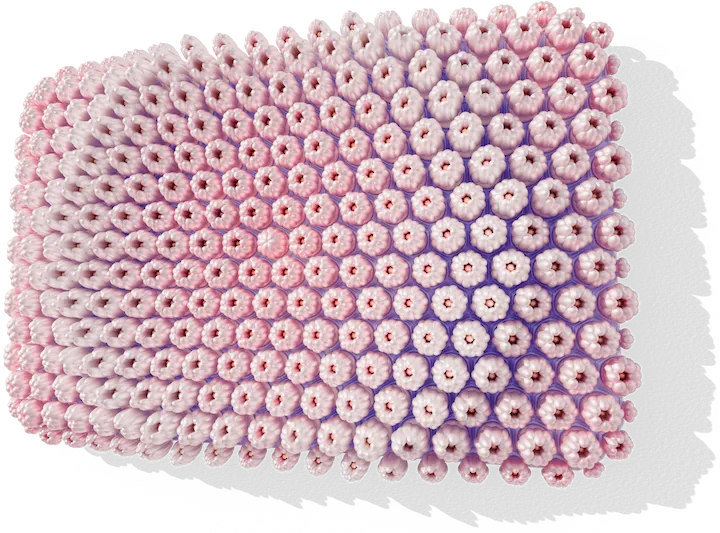
This popular name not only represents the meaning of the ornamental cherry blossom in the Japanese language, but it also carries multiple folklore meanings that spread across the globe. Cultivated for their beauty, crossed varieties grow quickly and produce large double blossoms in quantities, offering phenomenal landscapes and cultivars with hues of pink, rose, red, white, yellow, and even light indigos. The cultural symbolism associates sakura with love and connection, new beginnings, beauty, and the fleeting nature of life.
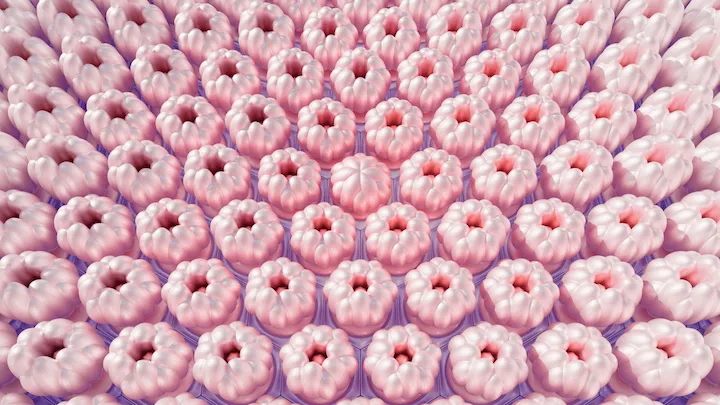
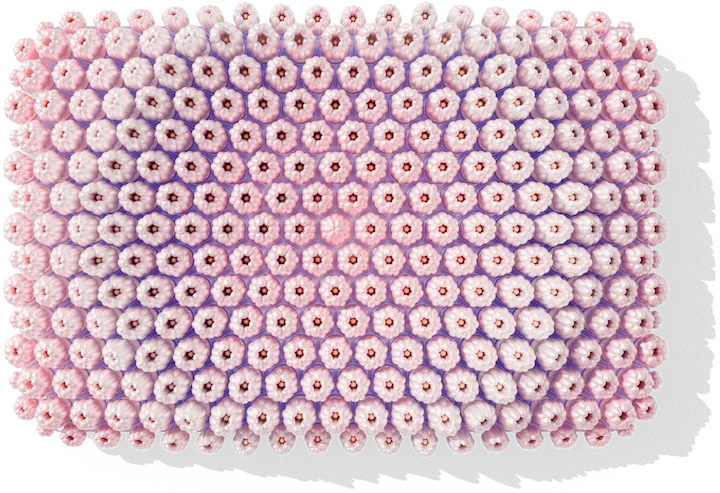
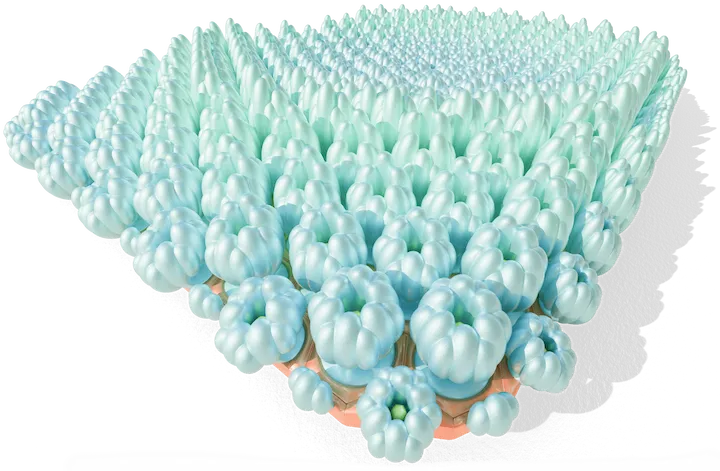
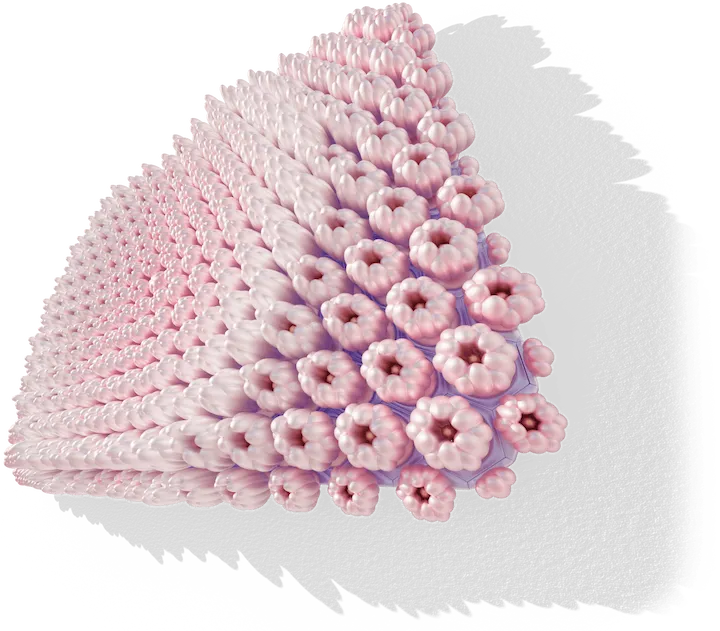
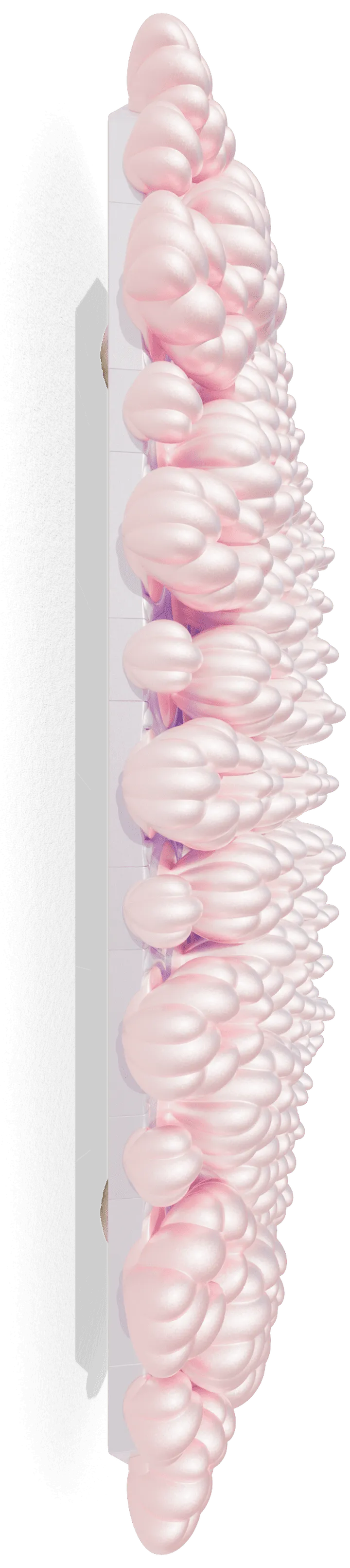
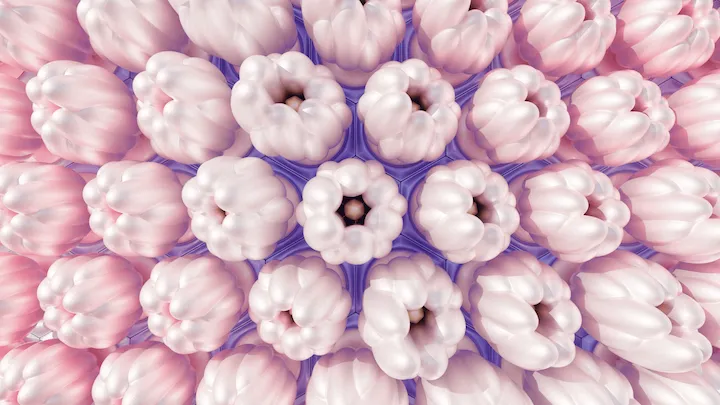
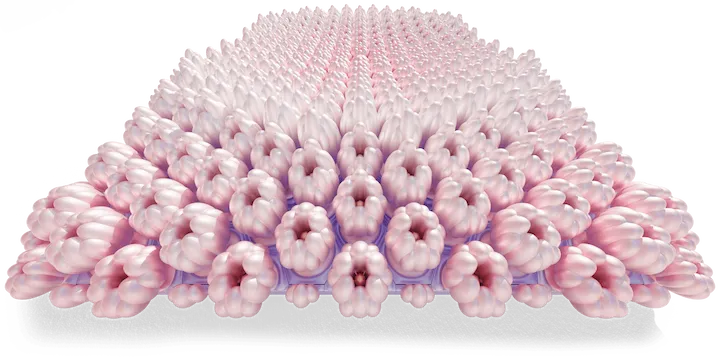
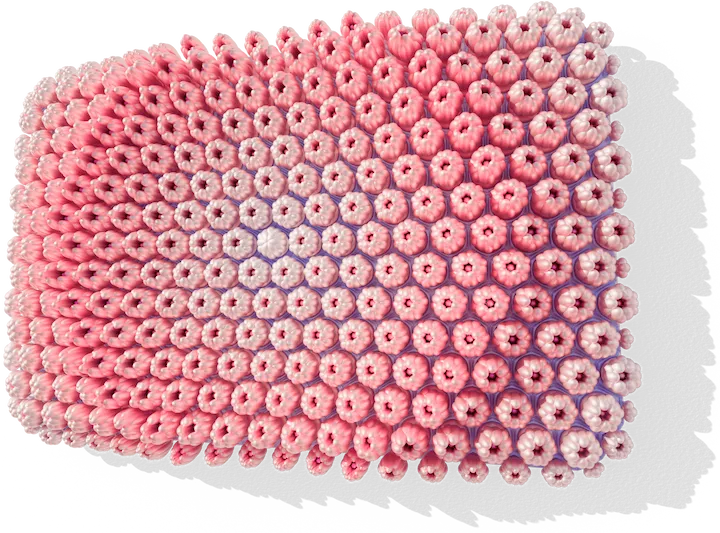
The hanami is a centuries-old Japanese tradition of welcoming spring by holding outdoor picnics, parties, and gatherings under blooming sakura trees, celebrating their beauty and snow-like petal drops as a symbol of beauty and the impermanence of life. This series consisting of soft white-pink volumes over an indigo gradient that travels to sky-blues on the back, topped with orange and yellow details, calls for romantic expression of courtship and the vibrant, passionate phase of youth.
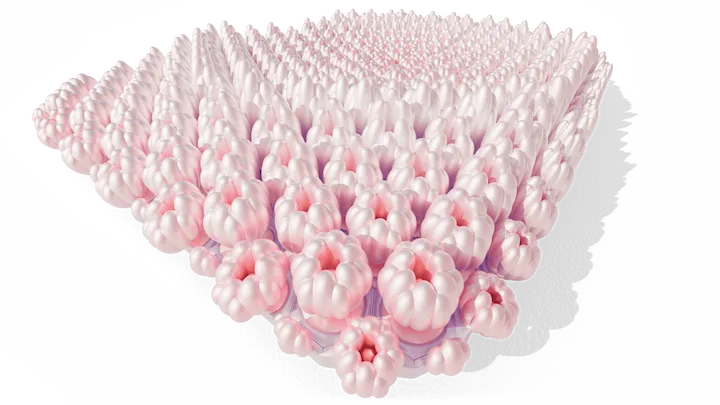
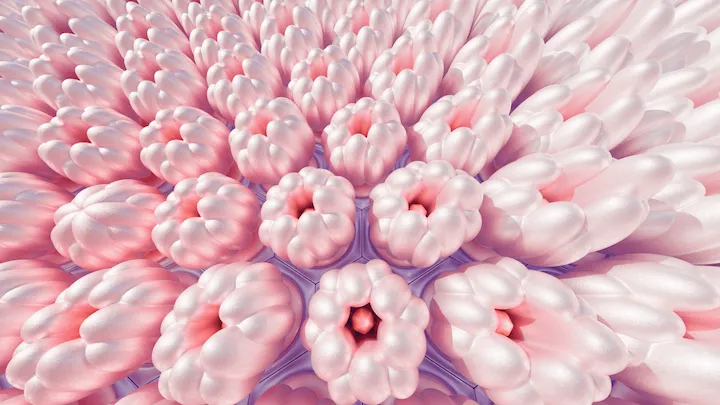
This popular name not only represents the meaning of the ornamental cherry blossom in the Japanese language, but it also carries multiple folklore meanings that spread across the globe. Cultivated for their beauty, crossed varieties grow quickly and produce large double blossoms in quantities, offering phenomenal landscapes and cultivars with hues of pink, rose, red, white, yellow, and even light indigos. The cultural symbolism associates sakura with love and connection, new beginnings, beauty, and the fleeting nature of life.
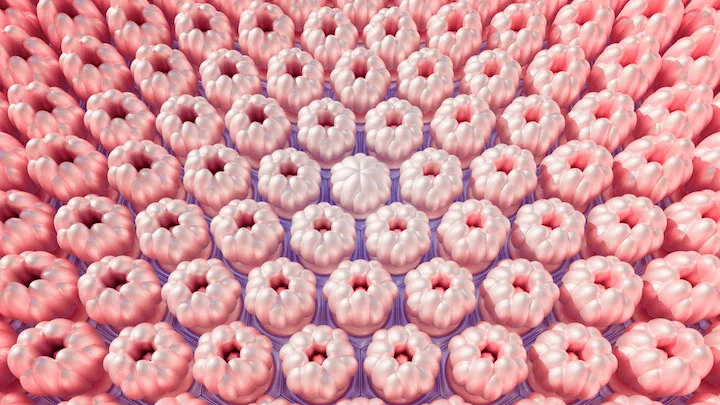
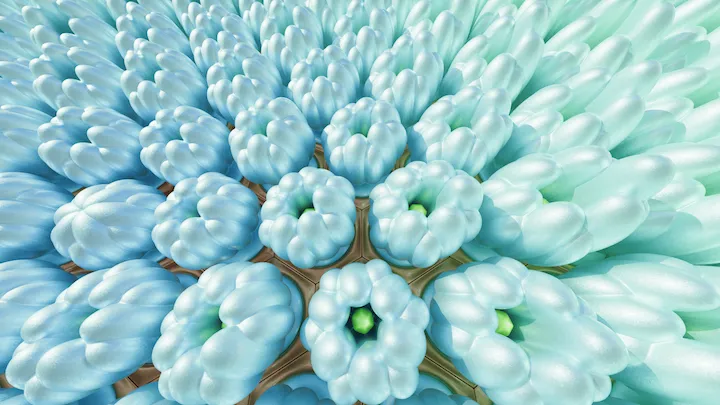
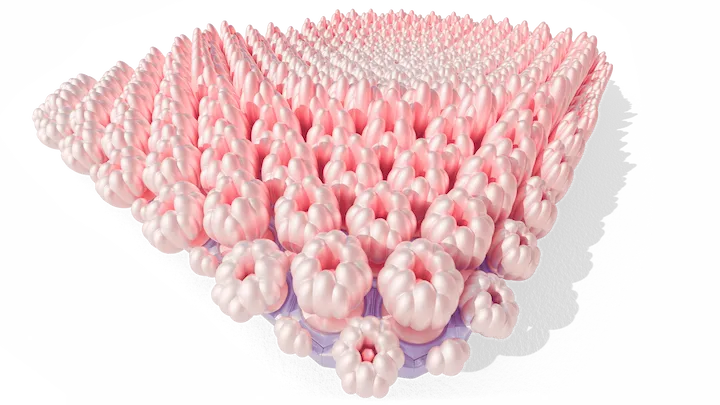
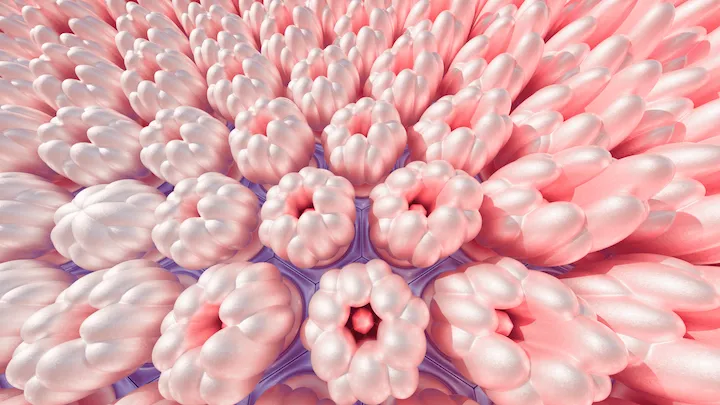
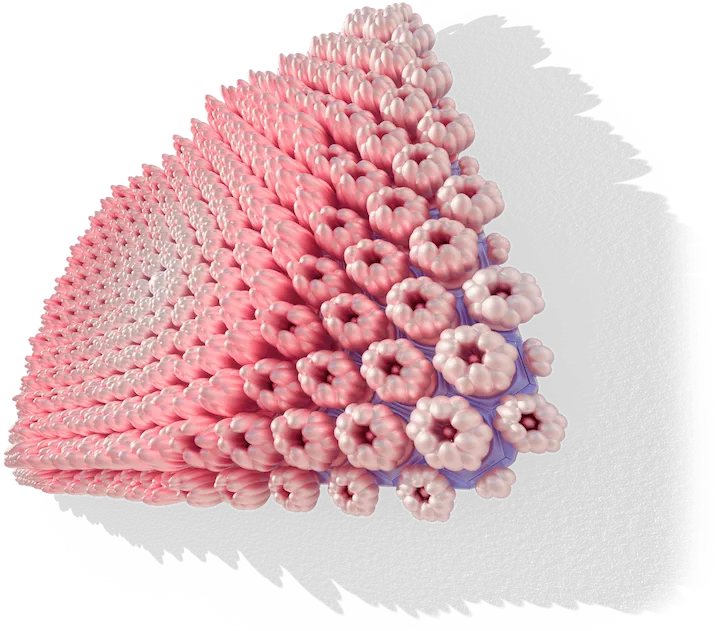
This series, presented with a silver-white center that travels to metallic-like rose pastels over a backdrop of nuclear indigo to a gradient of light blues, is topped with details of oranges ending on intense magentas that remind the meaning of "Renai," which translates to matured love that includes desire and devotion, while calling for commitment and maturity of nurturing mutual appreciation. This color palette appears soft and pleasing from afar, while up close the intense magenta details contrast in duality with the softer, glossy pastels.

Hydrangea
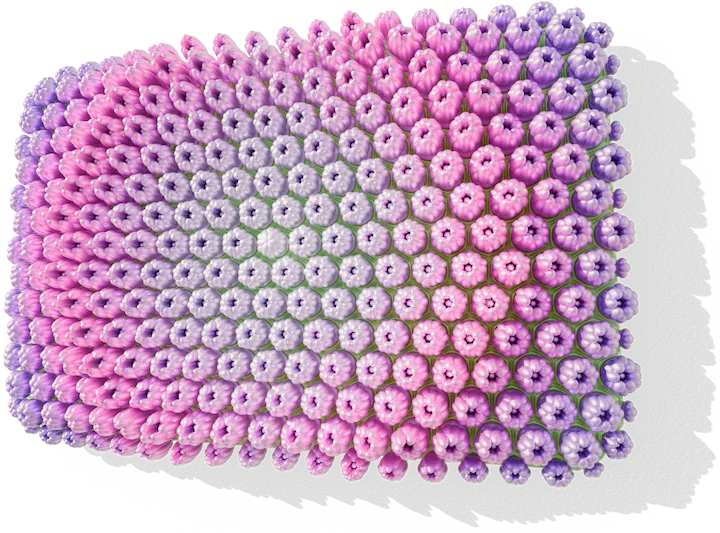
This genus of ornamental plant, valued for their large flowerheads consisting of hundreds of petals and sepals, are often the staple of proud gardeners that cultivate them for their long flowering stages and capacity to fill large volumes with a broad spectrum of contrasting, intense colors. Popularly known as hortensias, they populate home gardens as a charm of luck, since their coloring depends on soil acidity and ion contents, varying their display through the years. They often symbolise balance, gratitude and spiritual understanding. With whites, blues, pinks, indigos, oranges, and purples over a wide spectrum of green leaves, they become fond imagery memories for the folks that are lucky to live in homes and neighborhoods that celebrate them.
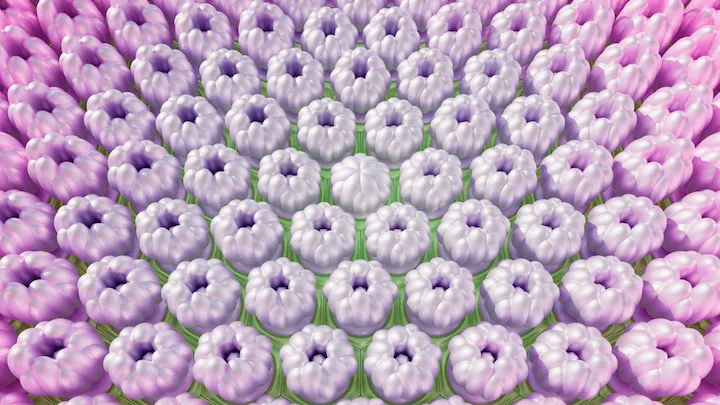
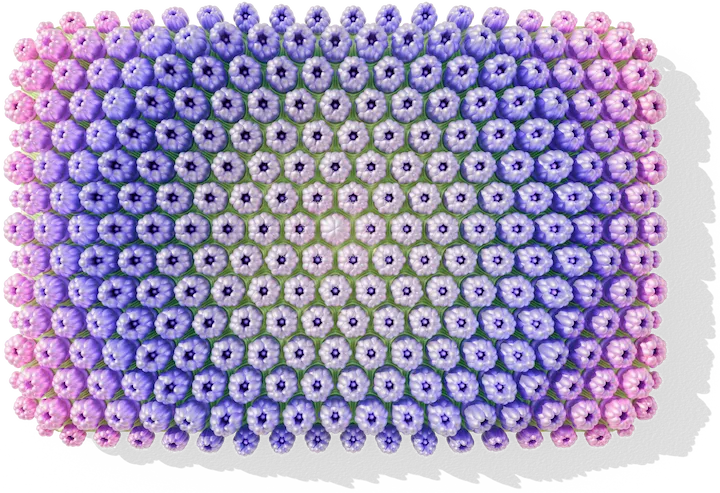
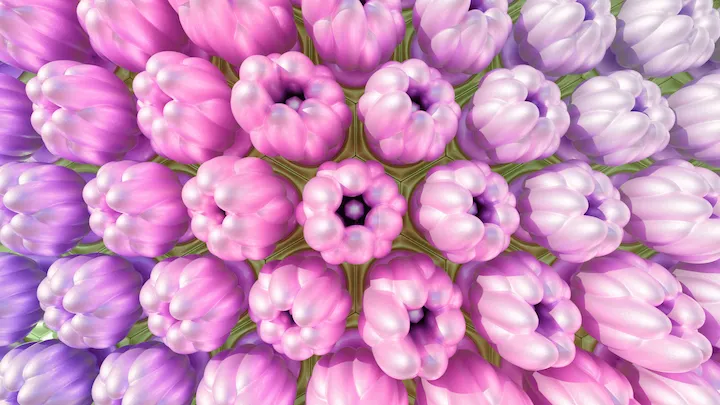
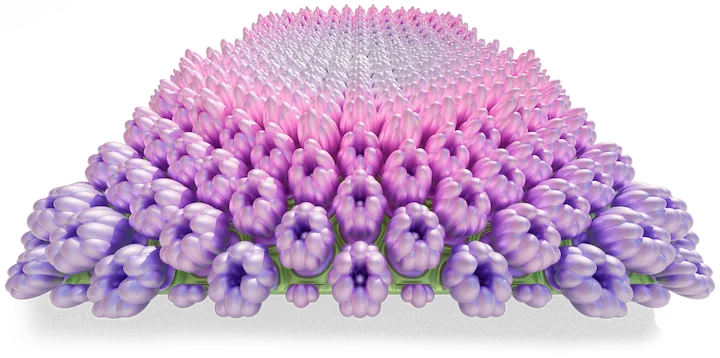
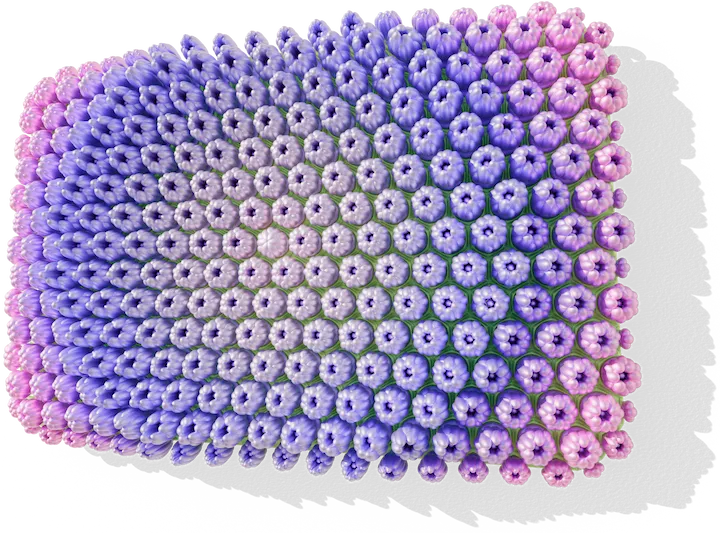
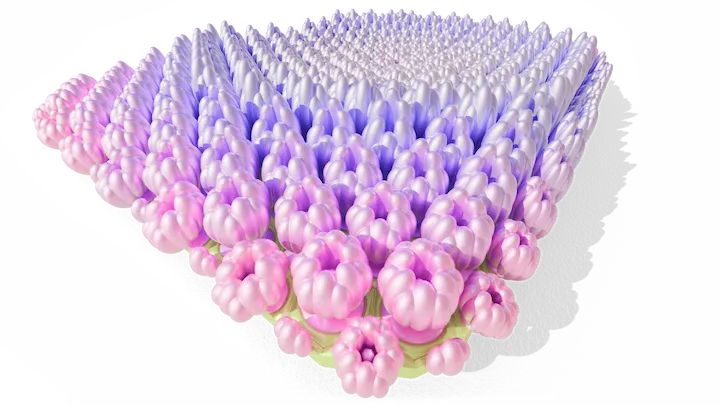
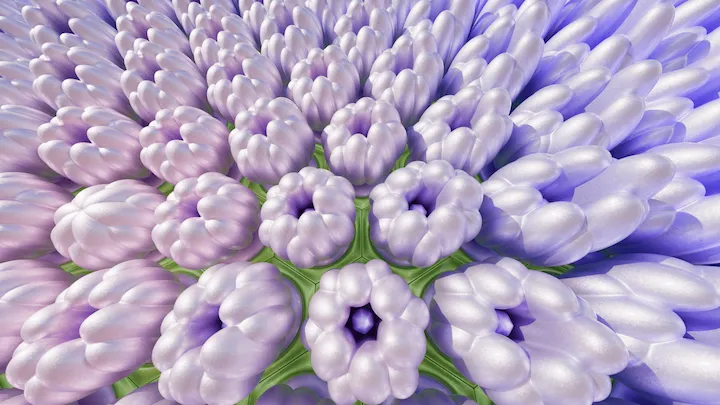
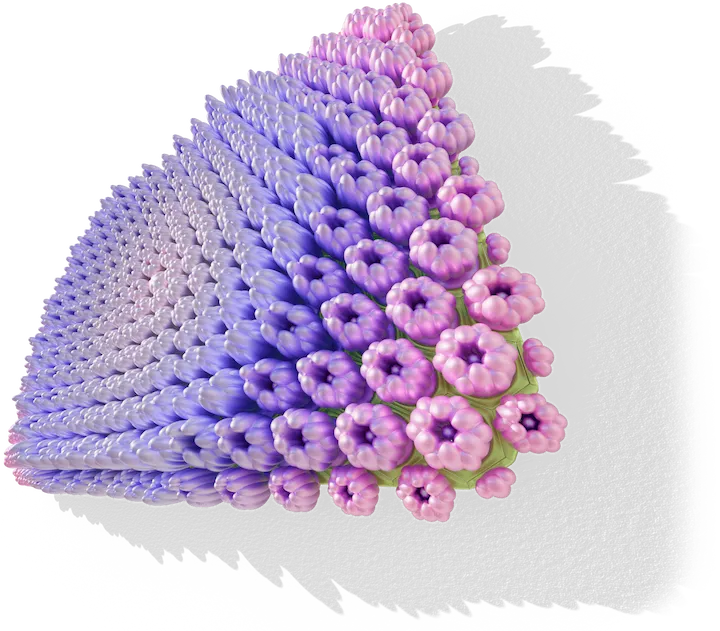
This French word, meaning "mother" or "mom," reminds the author of his mother's love for their family, especially during the southern-hemisphere end-of-year festivities, when the preparations included fertilizing the front garden hydrangeas in attempts to make them flower in intense pinks and magentas; when achieved, they became part of the household pride and a desired item for the neighbors, who often asked for permission to cut a few flowerheads to decorate their family tables. In this series, the sculpture presents a central soft white-purple that travels to bright magentas, fading to soft indigos on the periphery, over a background of light to intense greens, with details of dark indigos to vivid magentas.
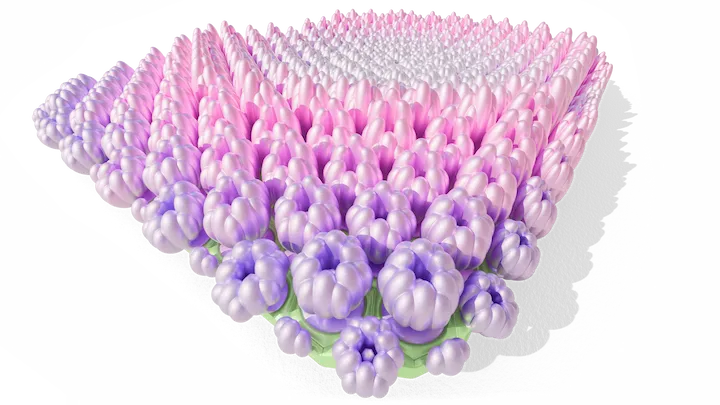
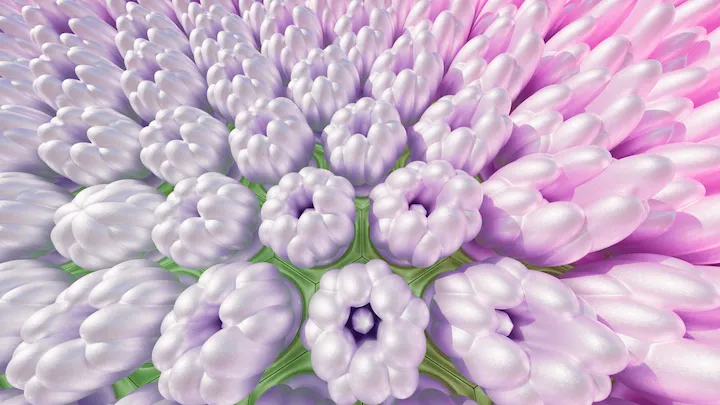
This genus of ornamental plant, valued for their large flowerheads consisting of hundreds of petals and sepals, are often the staple of proud gardeners that cultivate them for their long flowering stages and capacity to fill large volumes with a broad spectrum of contrasting, intense colors. Popularly known as hortensias, they populate home gardens as a charm of luck, since their coloring depends on soil acidity and ion contents, varying their display through the years. They often symbolise balance, gratitude and spiritual understanding. With whites, blues, pinks, indigos, oranges, and purples over a wide spectrum of green leaves, they become fond imagery memories for the folks that are lucky to live in homes and neighborhoods that celebrate them.
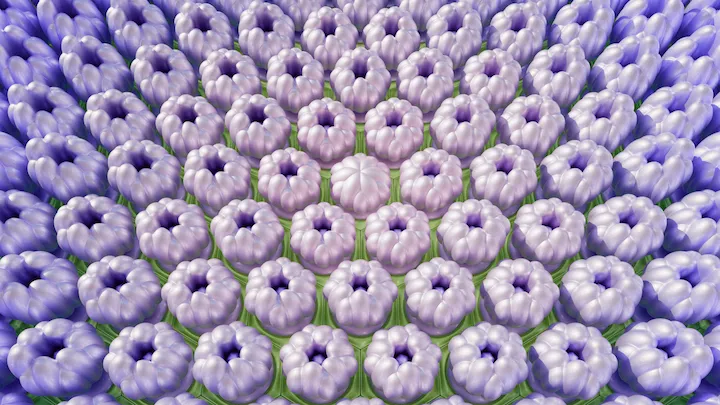
This French word, meaning "house" or "home," is a fond memory of the sculpture's author, whose childhood home front garden grew some voluptuous hydrangeas that mostly often displayed very large flowerheads of whites and indigos with some dashes of pinks, becoming a photographic memory of their colorful welcoming after each day during mid-spring to later summer. In this series, sculpture presents a central soft white-blue that travels to intense indigos, fading to vivid pinks on the peripheria, over a background of light to intense greens, with details of dark indigos to strong magentas.
Atelier






Contact
For inquiries about commissions, exhibitions, or collaborations, please reach out to me using the contact information below.